
Stone Town
Stone Town
The old town, a World Heritage Site: narrow lanes, carved doors, merchants' houses, the memory of the slave trade and, in the evening, the night market in the Forodhani Gardens.

Destination guide
The turquoise Indian Ocean, the lanes of Stone Town and the scent of spices.
Off the coast of Tanzania, the Zanzibar archipelago was for centuries a crossroads of the Indian Ocean. Arab, Persian, Indian and African traders left behind a unique Swahili culture, visible in the carved doors of Stone Town, its cuisine and its taarab music.
On Unguja, the main island, an hour's drive takes you from the lanes of the old town to spice plantations, from forests home to endemic monkeys to white sand beaches fringed by lagoons, at the rhythm of the tides and the dhows.
Tukkiji designs tailor-made trips to Zanzibar: accommodation chosen according to the coast and the season, excursions at sea and on land and, if you wish, a combination with a safari on mainland Tanzania.
Practical information
When to go
Close to the equator, Zanzibar is warm all year round. Two rainy seasons shape the calendar: the long rains (masika), from late March to May, and the short rains (vuli), in November. The rest of the year is dry and sunny.
Average daytime temperatures in Stone Town. From June to October, the dry season is cooler and breezier; from December to February, hotter and more humid. The short rains in November mostly fall as showers. During the long rains of April and May, some hotels close, but the island is quieter and prices are gentler.
Must-sees
The old town, a World Heritage Site: narrow lanes, carved doors, merchants' houses, the memory of the slave trade and, in the evening, the night market in the Forodhani Gardens.
Cloves, nutmeg, cinnamon, vanilla: a morning in the gardens of the Spice Island, to understand what made Zanzibar's fortune.

The island's only national park, home to the Zanzibar red colobus, a monkey found nowhere else, and its boardwalk through the mangroves.
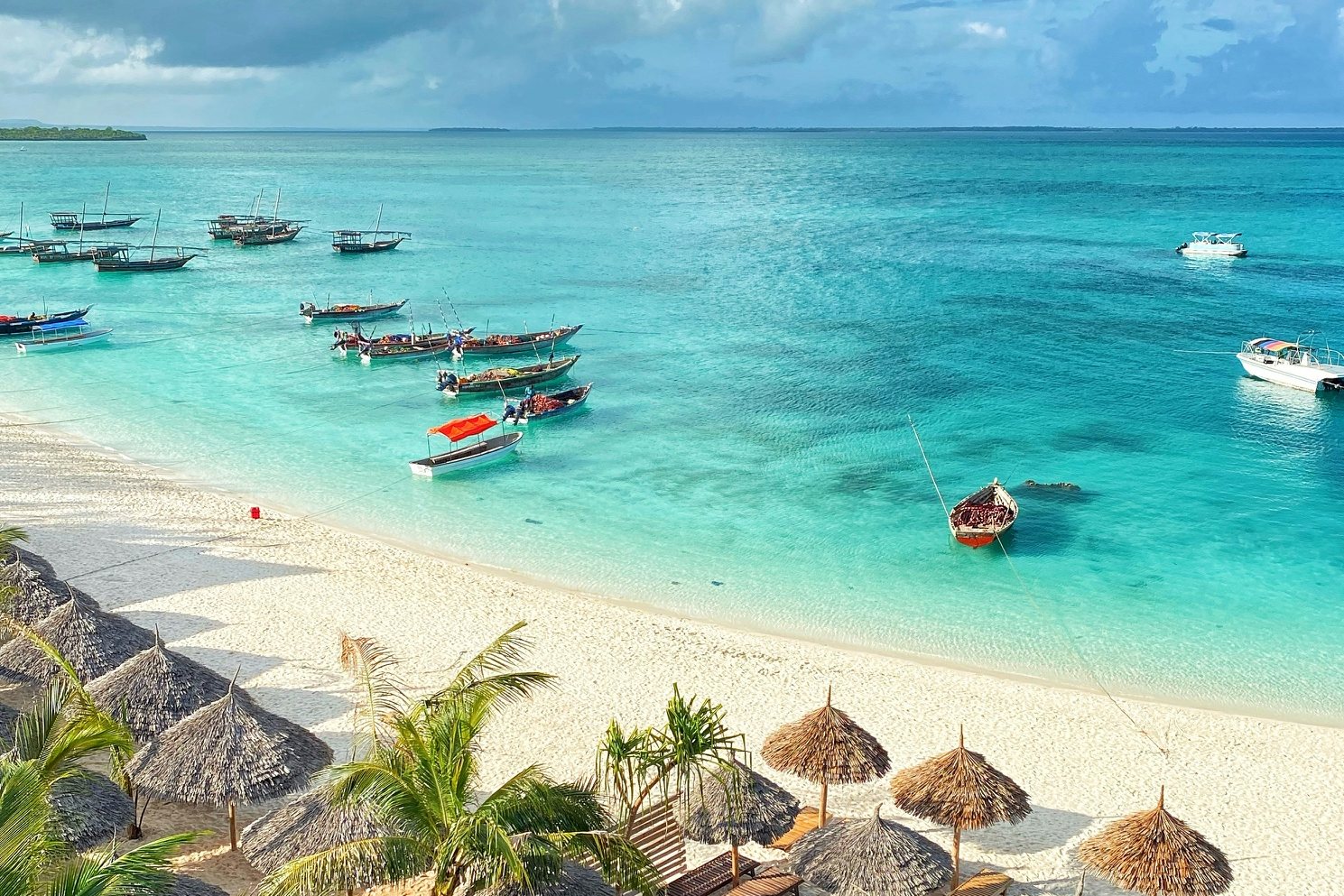
In the north, beaches where you can swim at any time of day, the dhow builders of Nungwi and sunsets over the ocean.
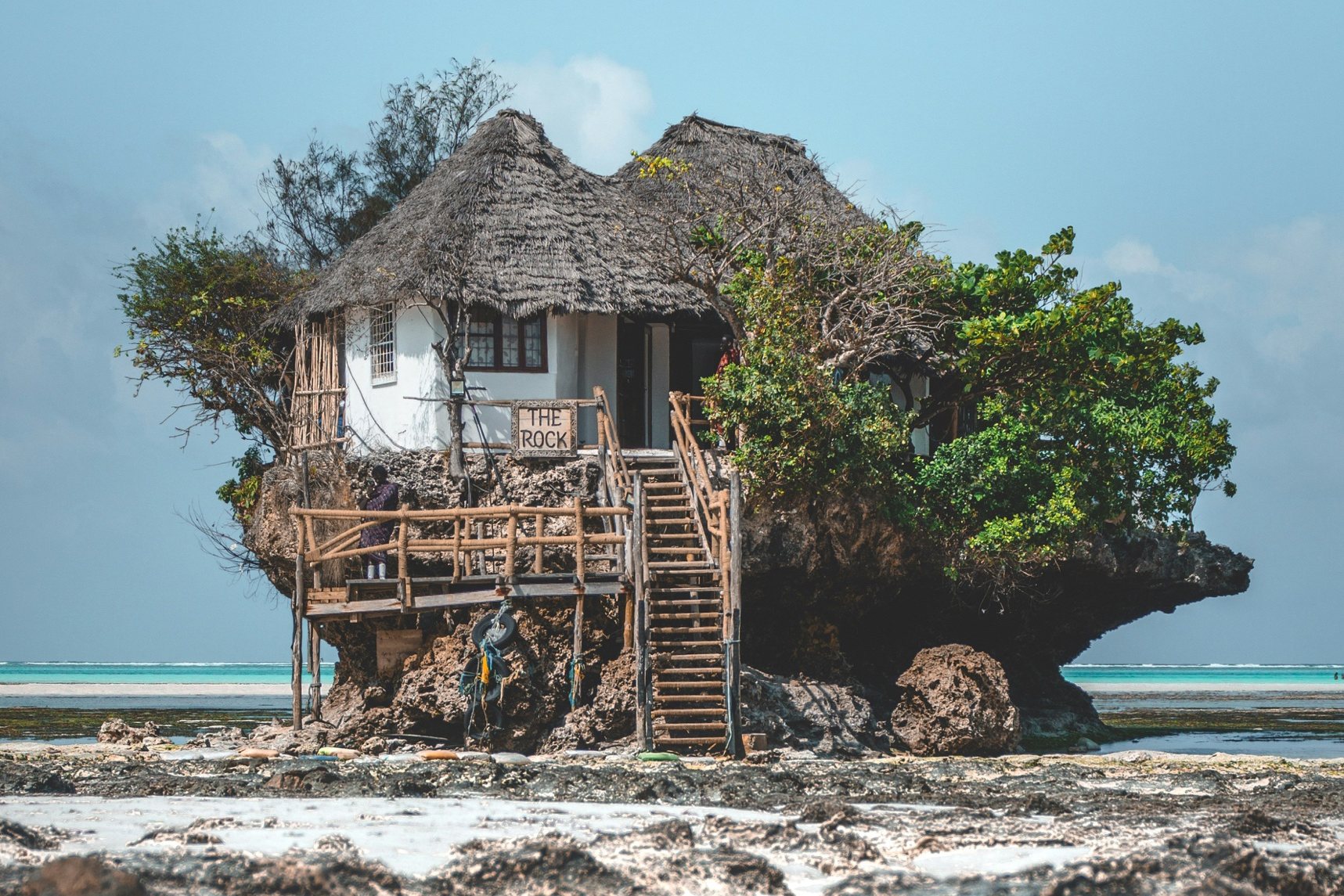
From Matemwe to Jambiani, by way of Paje: lagoons revealed at low tide, seaweed farms tended by village women, and kitesurfing.
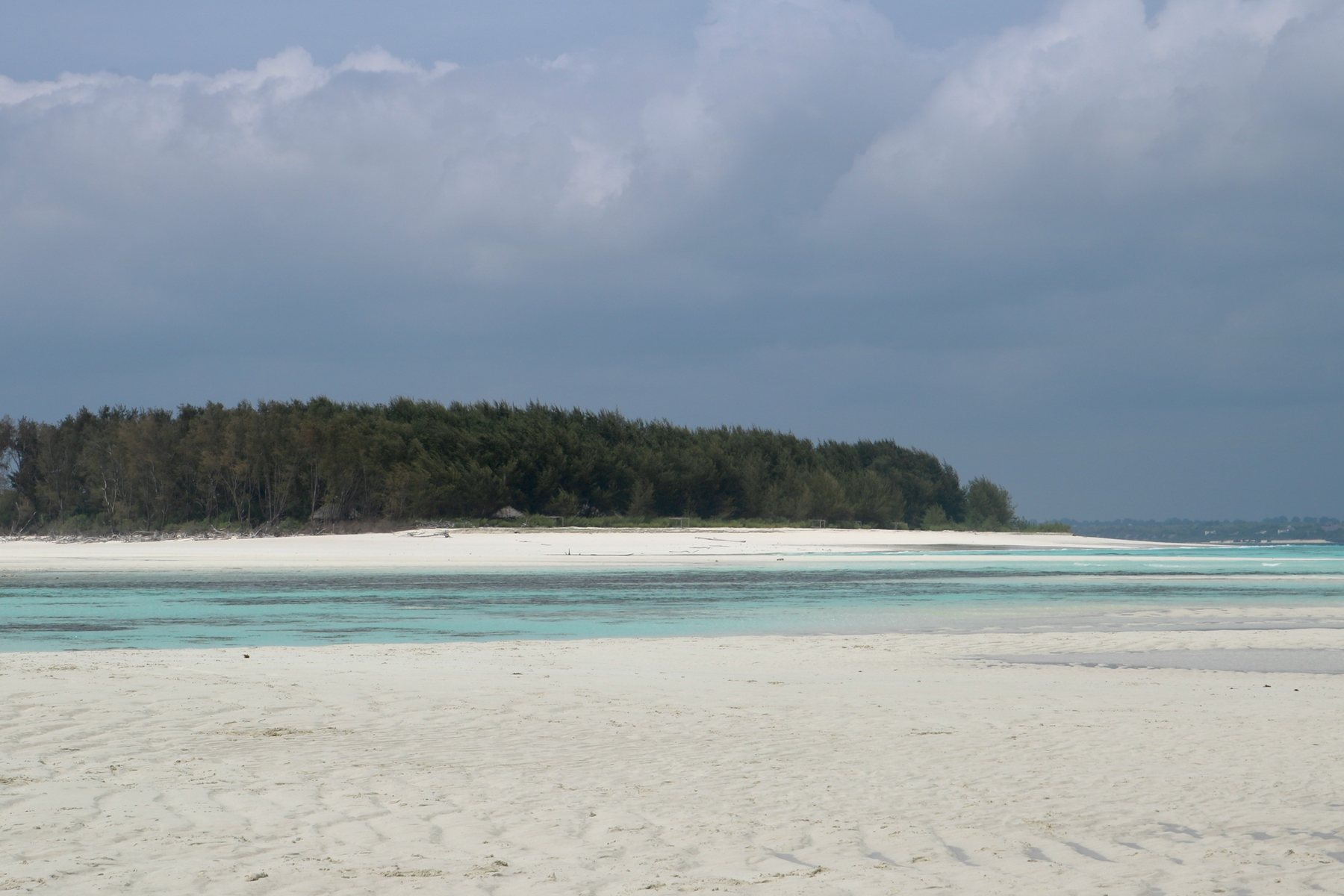
A marine conservation area off the north-east of the island, for snorkelling and diving among reef fish, turtles and, often, dolphins.
Frequently asked questions
Yes, if you are an EU citizen: Zanzibar is part of Tanzania, and a visa is required. The simplest option is to apply online (e-visa) before you travel. Since October 2024, Zanzibar-specific travel insurance has also been compulsory, purchased online. Requirements vary by nationality: check them before you travel.
From June to October, the dry season is the most pleasant: sunny, breezy and slightly less hot. From December to February it is hotter and the sea is often very calm. If possible, avoid April and May, the height of the long rains.
Allow a week to discover Stone Town, the spices and Jozani Forest, then enjoy the beach. With ten to fifteen days, Zanzibar pairs beautifully with a safari on mainland Tanzania, ending the trip by the ocean.
Zanzibar is a calm and welcoming destination. The usual precautions apply, particularly in the lanes of Stone Town at night. The population is overwhelmingly Muslim: modest dress is appreciated away from beaches and hotels. Check your government's travel advice before you leave.
The currency is the Tanzanian shilling (TZS). US dollars are still used in part of the tourism sector, but the shilling remains the standard for everyday spending. Bank cards are accepted in many hotels; bring cash for markets, tips and smaller places.
A yellow fever vaccination certificate is required if you are arriving from a country where it is present, such as Senegal. Malaria is present: discuss preventive treatment with your doctor. Routine vaccinations should be up to date. Ask your doctor or a travel vaccination clinic for advice.
Tell us what you dream of: we design a tailor-made trip and reply within 48 hours.