
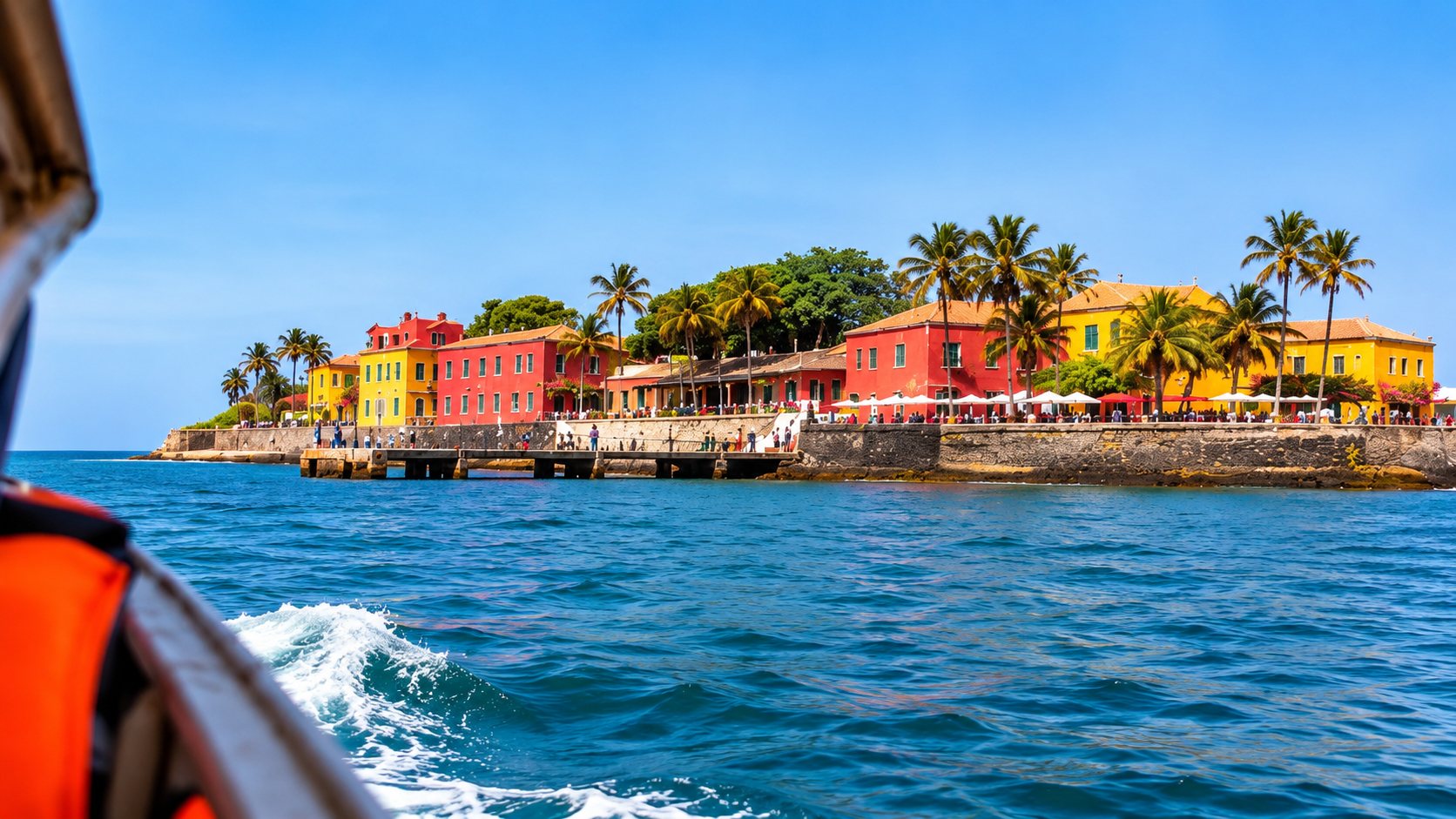
Dakar and Gorée Island
A vibrant capital with its markets, its corniche and the Pointe des Almadies; twenty minutes away by ferry, Gorée and its memory.
See the short break →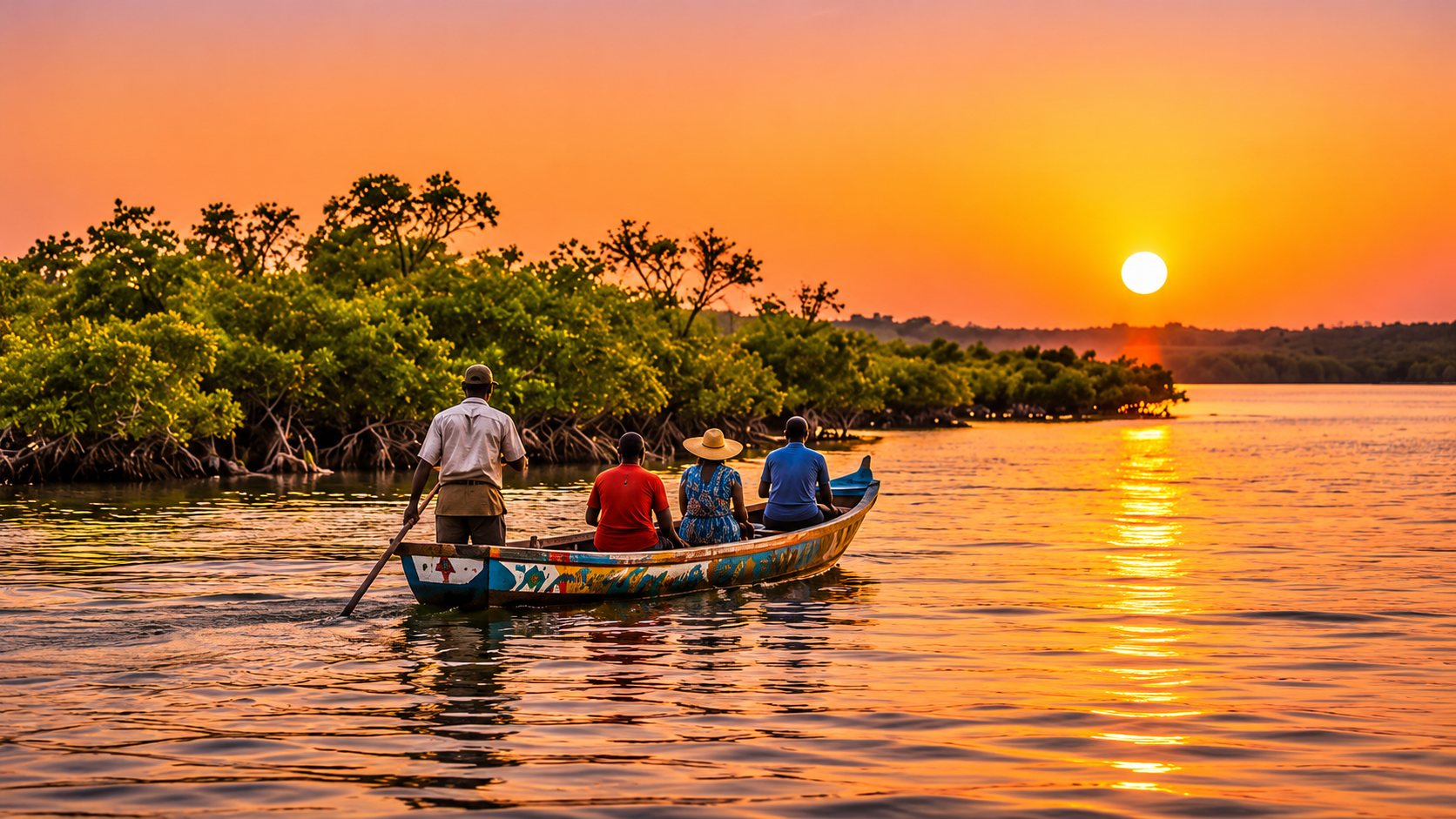
Destination guide
Teranga, the Atlantic and colours that stay with you long after you return home.
Senegal reveals itself first through its welcome. Teranga, Senegalese hospitality, is not a slogan: it is a way of receiving guests, sharing a meal and taking the time to talk.
Within a few hours' drive, you go from the energy of Dakar to the silence of the Sine-Saloum bolongs, from the beaches of the Petite Côte to the colonial façades of Saint-Louis. A compact country, easy to get around and remarkably varied.
Tukkiji was born here. We know the addresses, the guides and the families that make the difference between a trip and a memory.
Practical information
When to go
Senegal has two main seasons: a dry season, sunny and breezy, from November to June, and a rainy season, hot and lush, from July to October.
Average daytime temperatures in Dakar. The interior (Saloum, Casamance) is hotter. The rainy season remains pleasant for anyone who loves green landscapes and peace and quiet: showers are often short.
Must-sees
A vibrant capital with its markets, its corniche and the Pointe des Almadies; twenty minutes away by ferry, Gorée and its memory.
See the short break →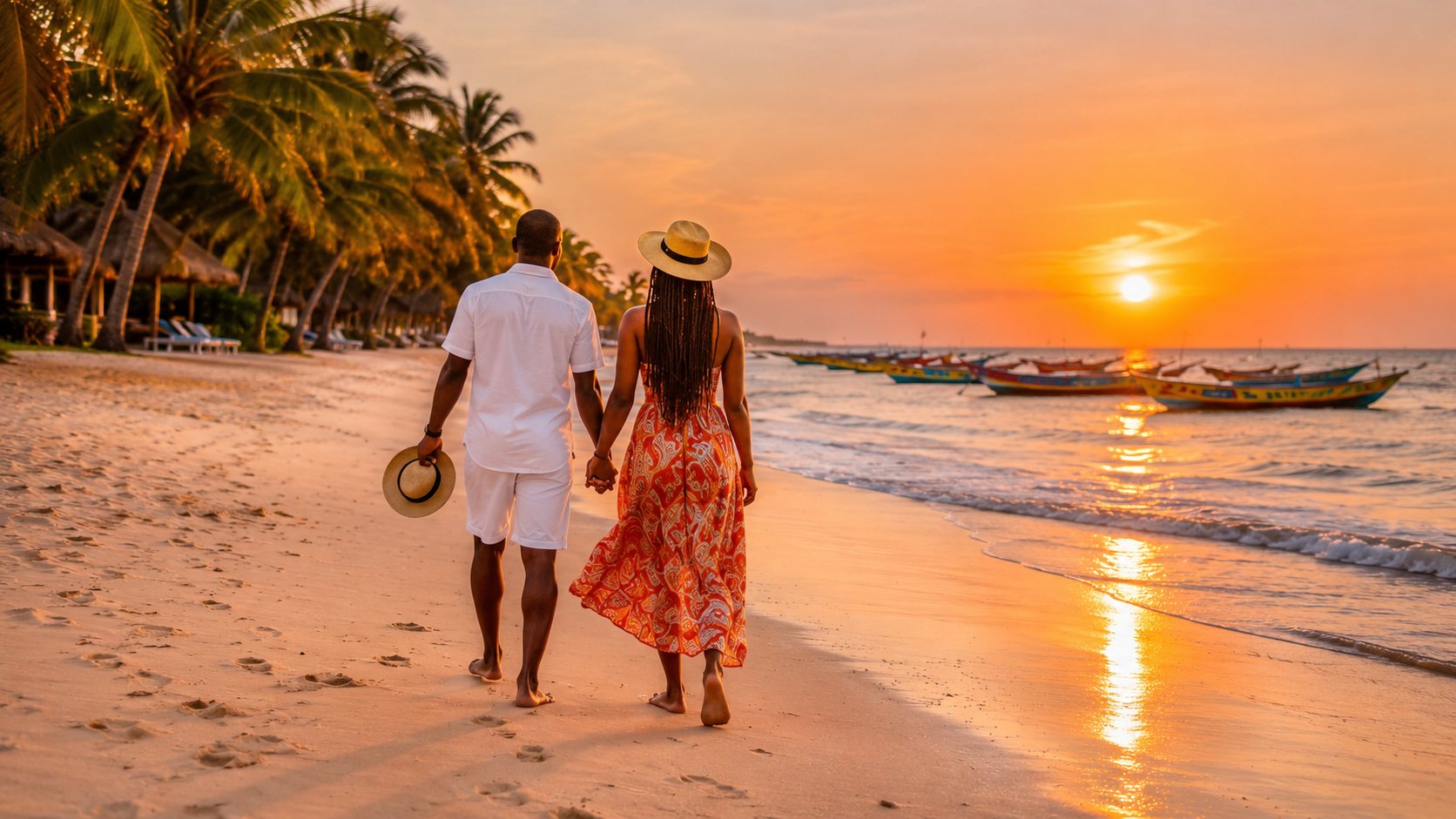
From Toubab Dialaw to Saly: beaches, fishing villages and charming hotels, an hour from Dakar.
See the short break →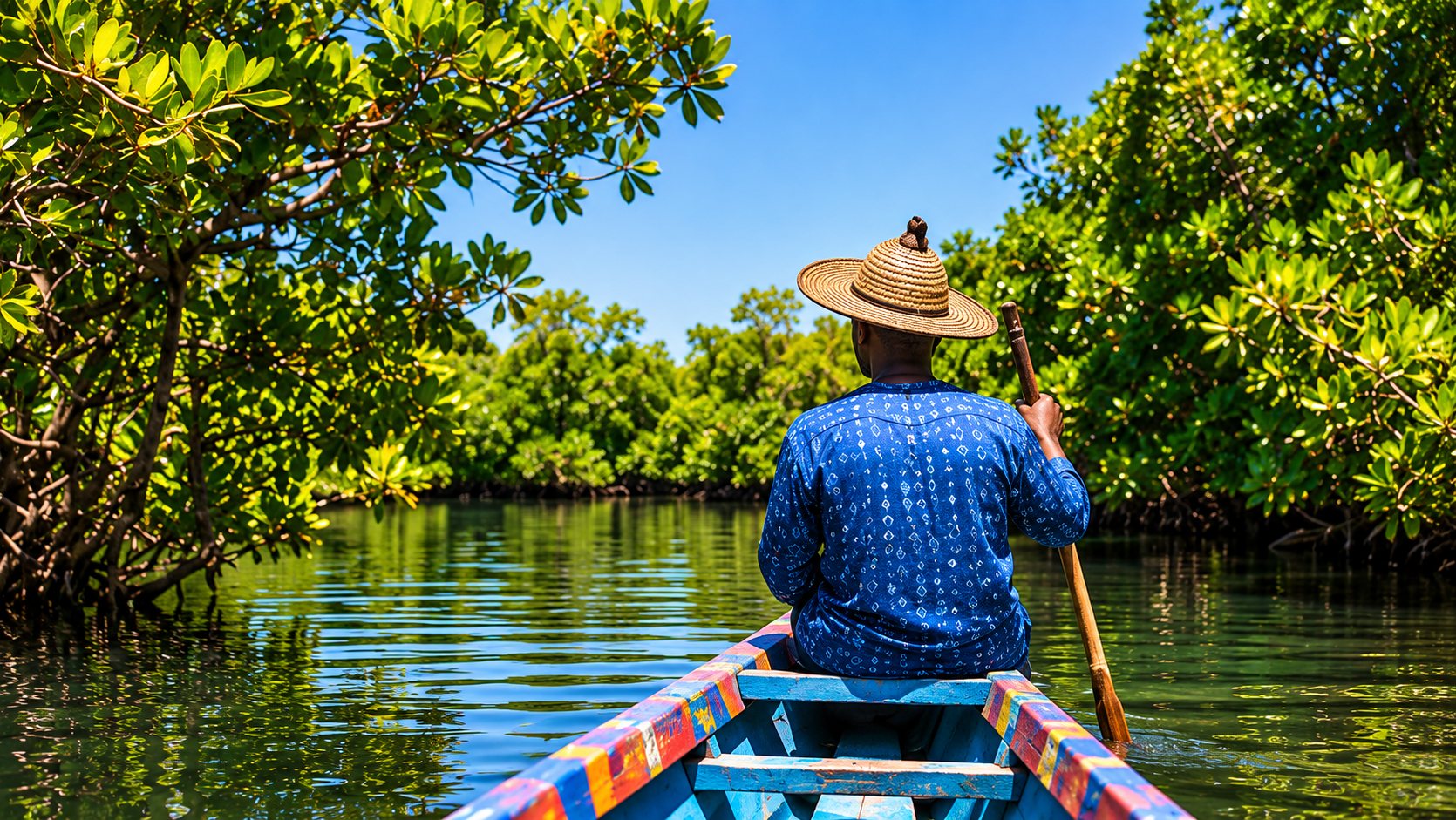
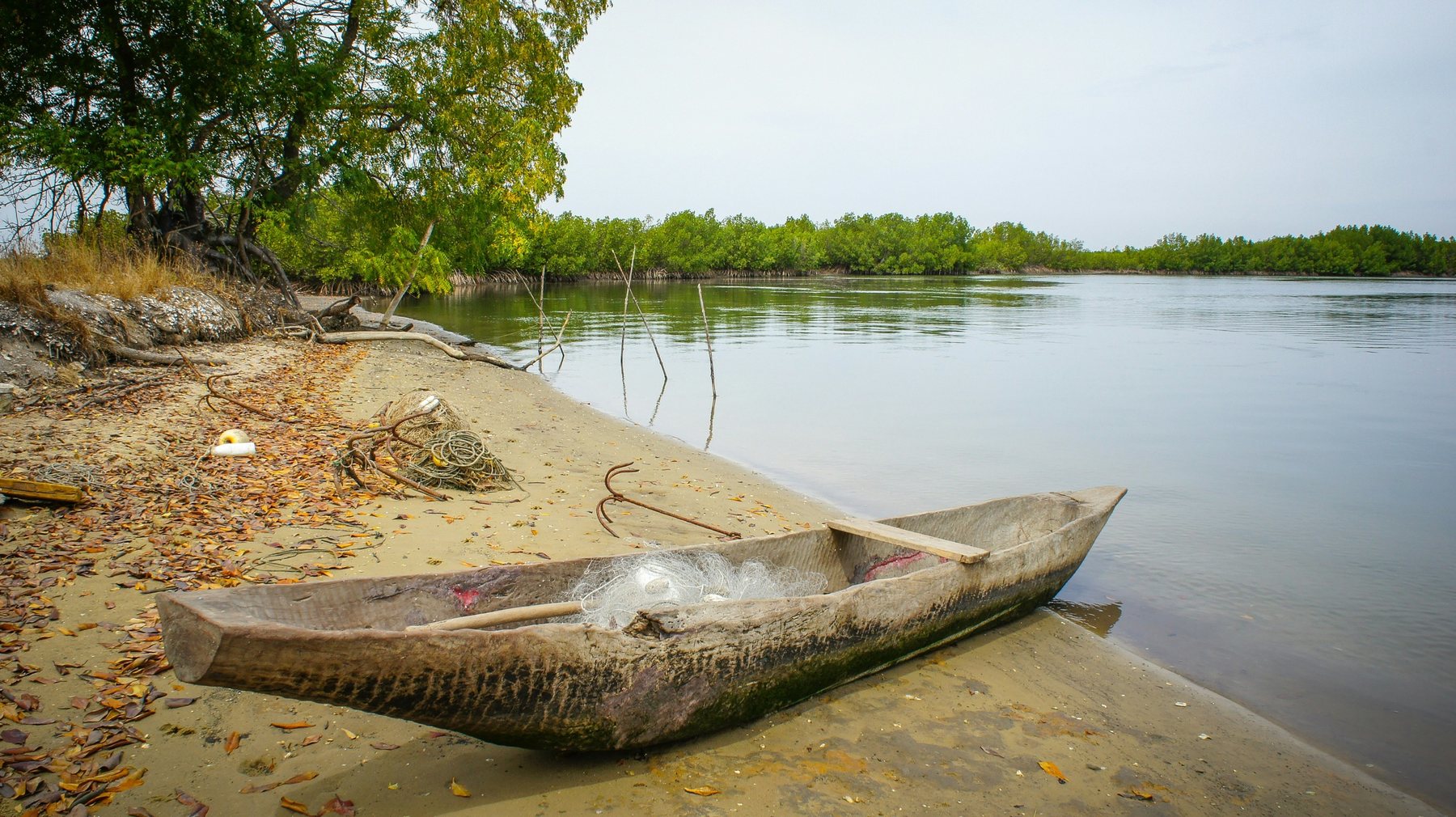
Mangroves, bolongs and shell islands, a UNESCO World Heritage Site: Senegal at the rhythm of the tides.
See the short break →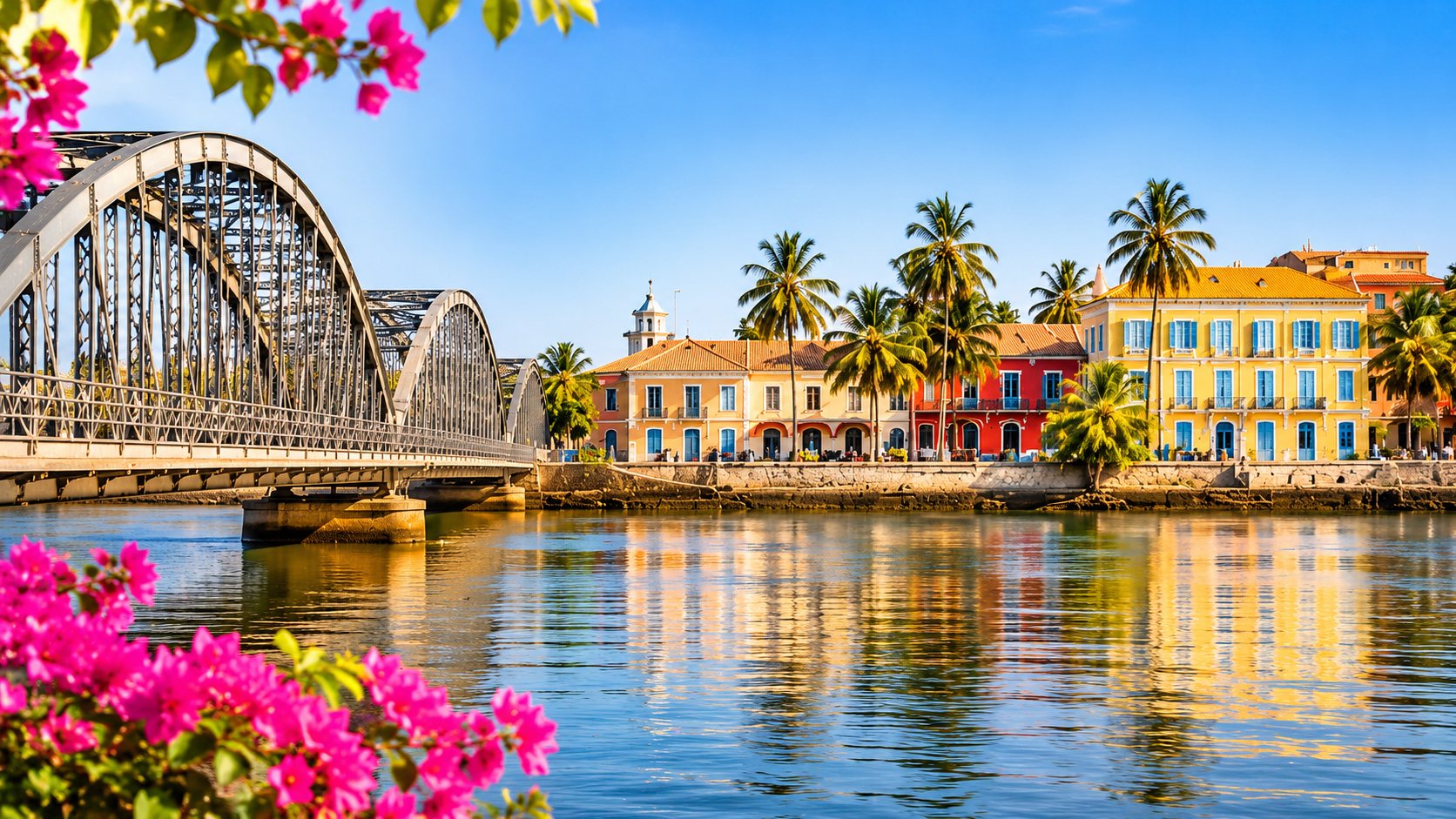
The former colonial capital, a World Heritage Site, and one of the largest bird sanctuaries in Africa.
See the short break →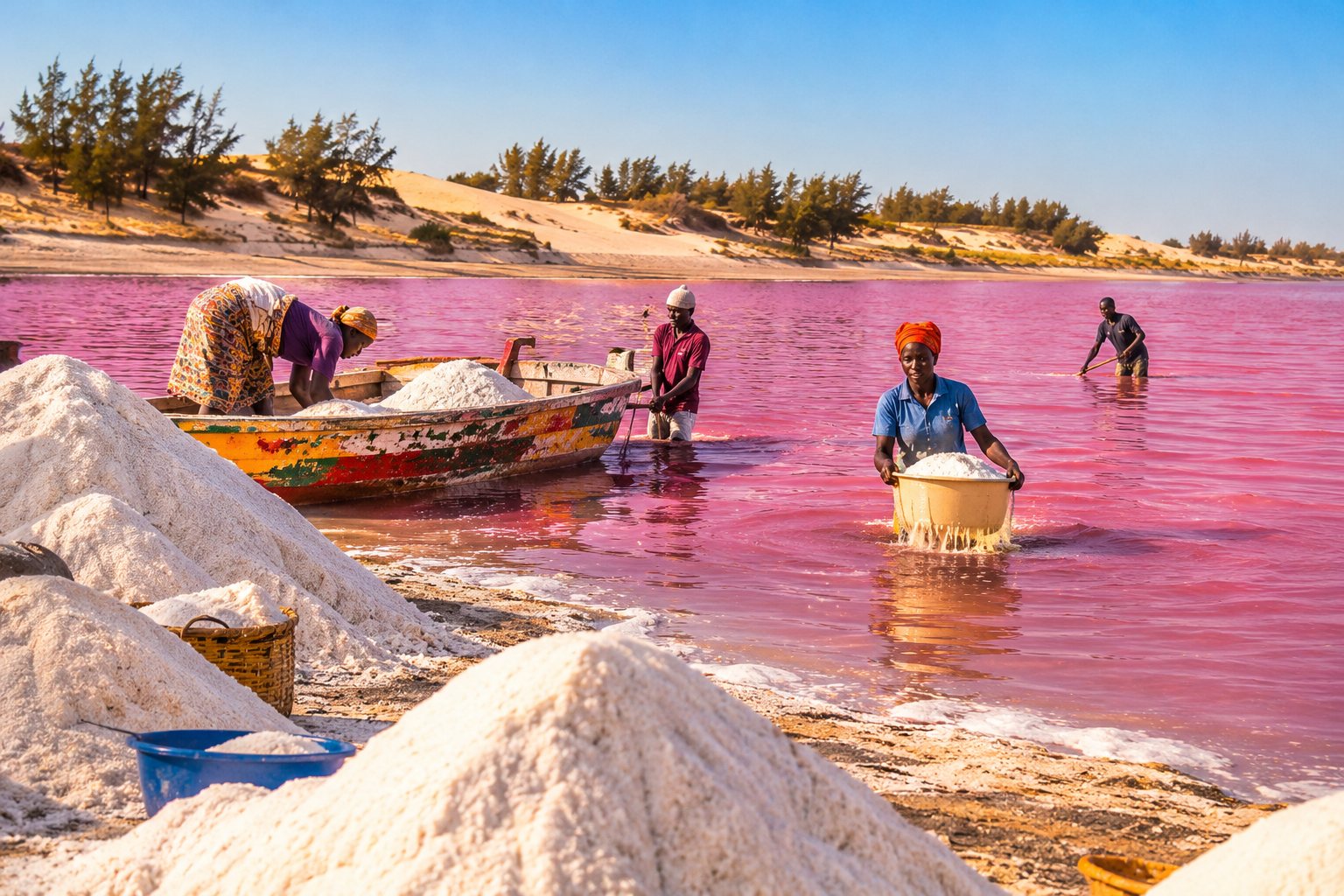
Lake Retba, its waters pink in the dry season, its salt harvesters and its dunes, an hour from Dakar.
The lush south: rice paddies, giant kapok trees, the beaches of Cap Skirring and Diola villages.
Travel with Tukkiji
Ready-to-book journeys that we tailor to your dates and wishes.

7 days · 6 nights
from €2,450
3 days · 2 nights
from €290 / person
3 days · 2 nights
from €240 / person
4 days · 3 nights
from €420 / person
4 days · 3 nights
from €460 / person
Frequently asked questions
Not if you are a citizen of the European Union, Switzerland or many other countries, for a stay of under 90 days. A passport valid for at least 6 months after your return date is all you need. Check the requirements for your nationality before you travel.
From November to May: this is the dry season, sunny and breezy, ideal for the beach as well as for excursions. From December to March, it is also the season for migratory birds in Djoudj and the Saloum.
A weekend is enough to discover Dakar and Gorée, or to treat yourself to a break on the Petite Côte. Allow a week to combine Dakar, the Sine-Saloum and Saint-Louis, and ten to fifteen days to add Casamance.
Senegal is one of the most stable countries in West Africa, renowned for its hospitality. The usual precautions apply, as anywhere. Check your government's travel advice before you leave; once there, our team is by your side.
The currency is the CFA franc (XOF), pegged to the euro at a fixed rate. Bank cards are accepted in hotels and many restaurants in Dakar; bring cash for markets and villages. ATMs are plentiful in the towns and cities.
Yellow fever vaccination is recommended (compulsory if you are arriving from a country where it is present), as is antimalarial treatment outside Dakar. Routine vaccinations should be up to date. Ask your doctor or a travel vaccination clinic for advice.
Tell us what you dream of: we design a tailor-made trip and reply within 48 hours.