
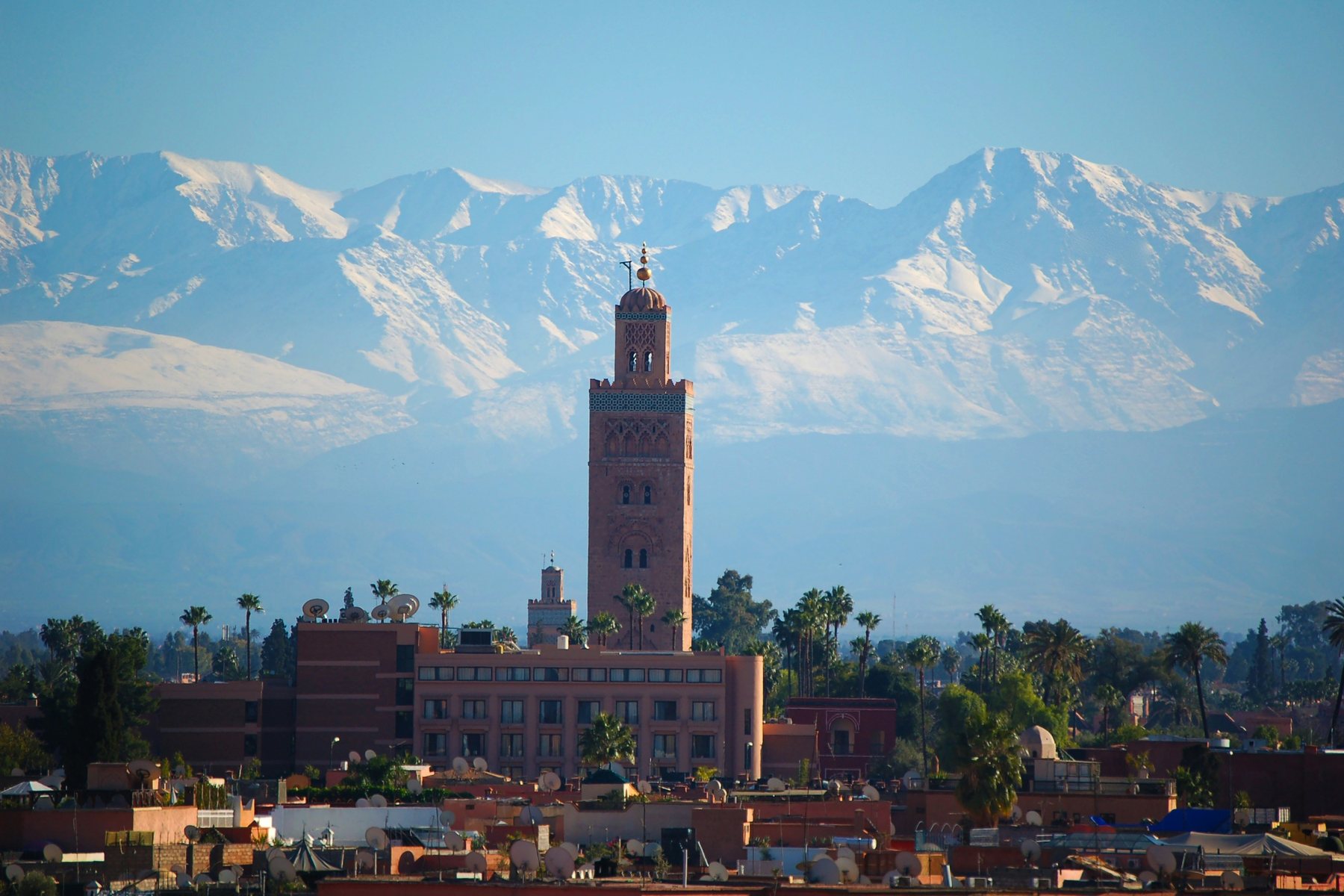
Marrakech
The medina, Jemaa el-Fna square at nightfall, the souks, the gardens and the riads; less than an hour away, the Agafay desert and the first foothills of the Atlas.

Destination guide
Medinas, Atlas peaks and Saharan dunes: a way of life best discovered slowly.
Morocco reveals itself through its contrasts. Within a few hours' drive, you leave the alleys of a medina for the passes of the High Atlas, then the first dunes of the Sahara, before returning to the Atlantic at Essaouira.
It is also a land of craftspeople and gracious hospitality: mint tea served on arrival, riads arranged around their courtyards, souks where every alley has its own trade. A way of life to be savoured without hurrying.
Tukkiji designs tailor-made trips to Morocco, departing from Paris or Dakar: an itinerary shaped around your pace, carefully chosen places to stay and support before and during your trip.
Practical information
When to go
Morocco can be visited all year round, but its climate varies greatly from one region to another: mild on the Atlantic coast, very hot inland in summer, cold in the mountains in winter and, at night, in the desert. Spring and autumn are the most pleasant seasons for a tour.
Average daytime temperatures in Marrakech. Morocco has no real rainy season: from June to September, heat is the main factor inland, and the coast (Essaouira, Agadir) and the Atlas uplands are cooler. In winter, days are often sunny, but nights are cold in the desert and in the mountains, where snow covers the peaks.
Must-sees
The medina, Jemaa el-Fna square at nightfall, the souks, the gardens and the riads; less than an hour away, the Agafay desert and the first foothills of the Atlas.
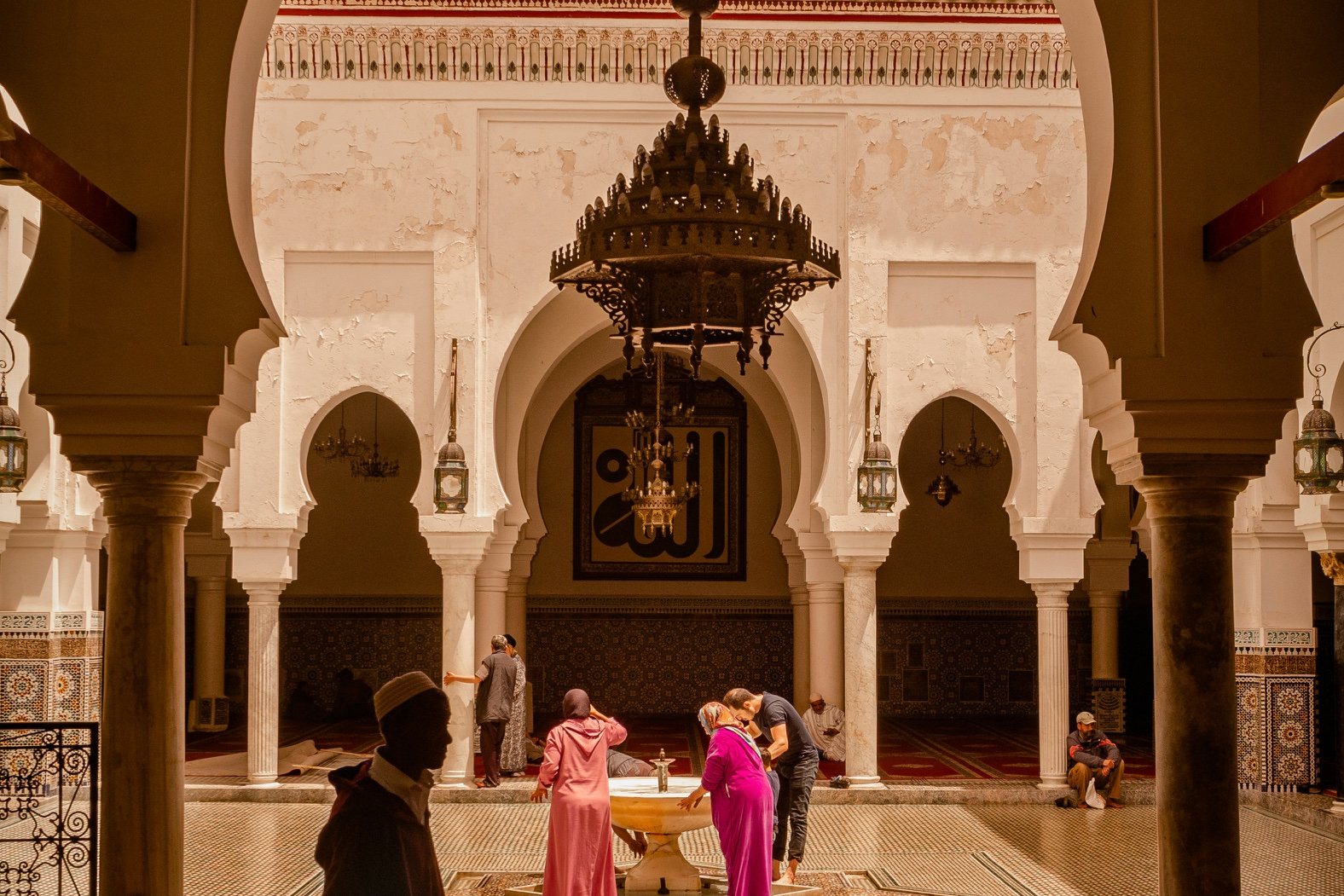
The oldest of the imperial cities and its medina, Fez el-Bali, a World Heritage Site: its tanneries, its madrasas and its craftspeople.
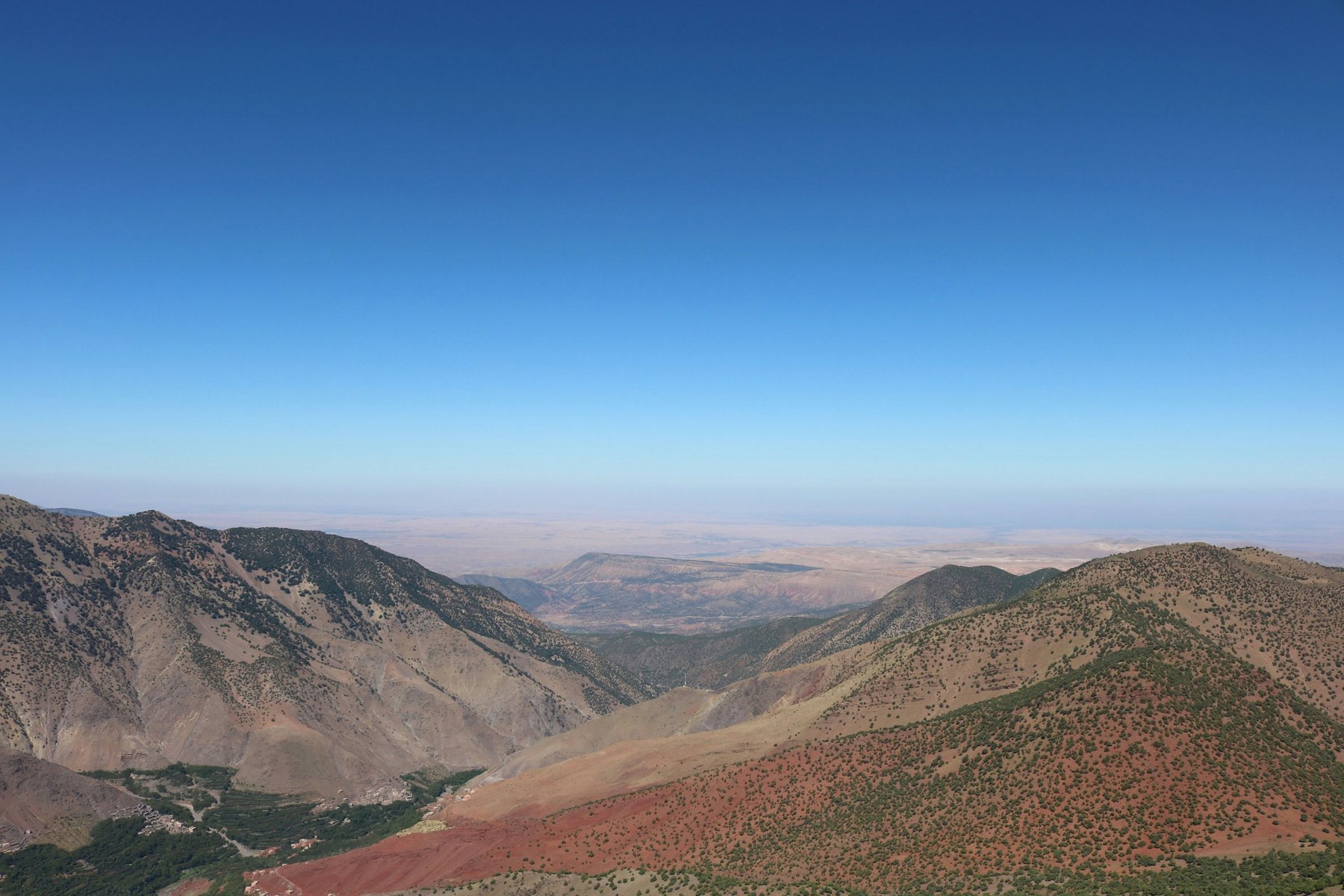
Earthen Berber villages, terraced valleys and hiking trails at the foot of Toubkal, the highest peak in North Africa, about an hour and a half from Marrakech.
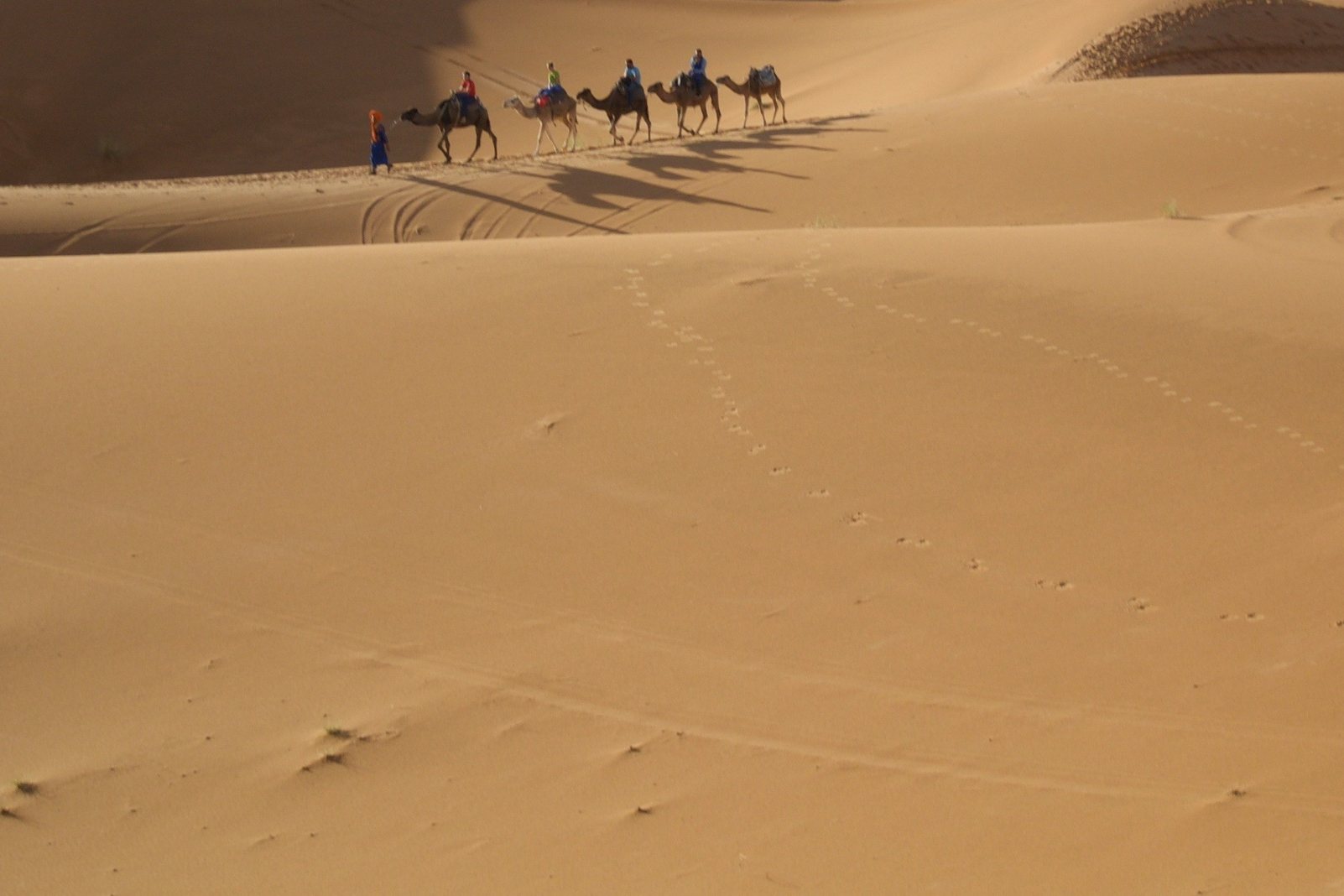
The ksar of Aït Ben Haddou, a UNESCO World Heritage Site, the Dades and Todra gorges, then the dunes of Merzouga for a night under canvas beneath an immense sky.
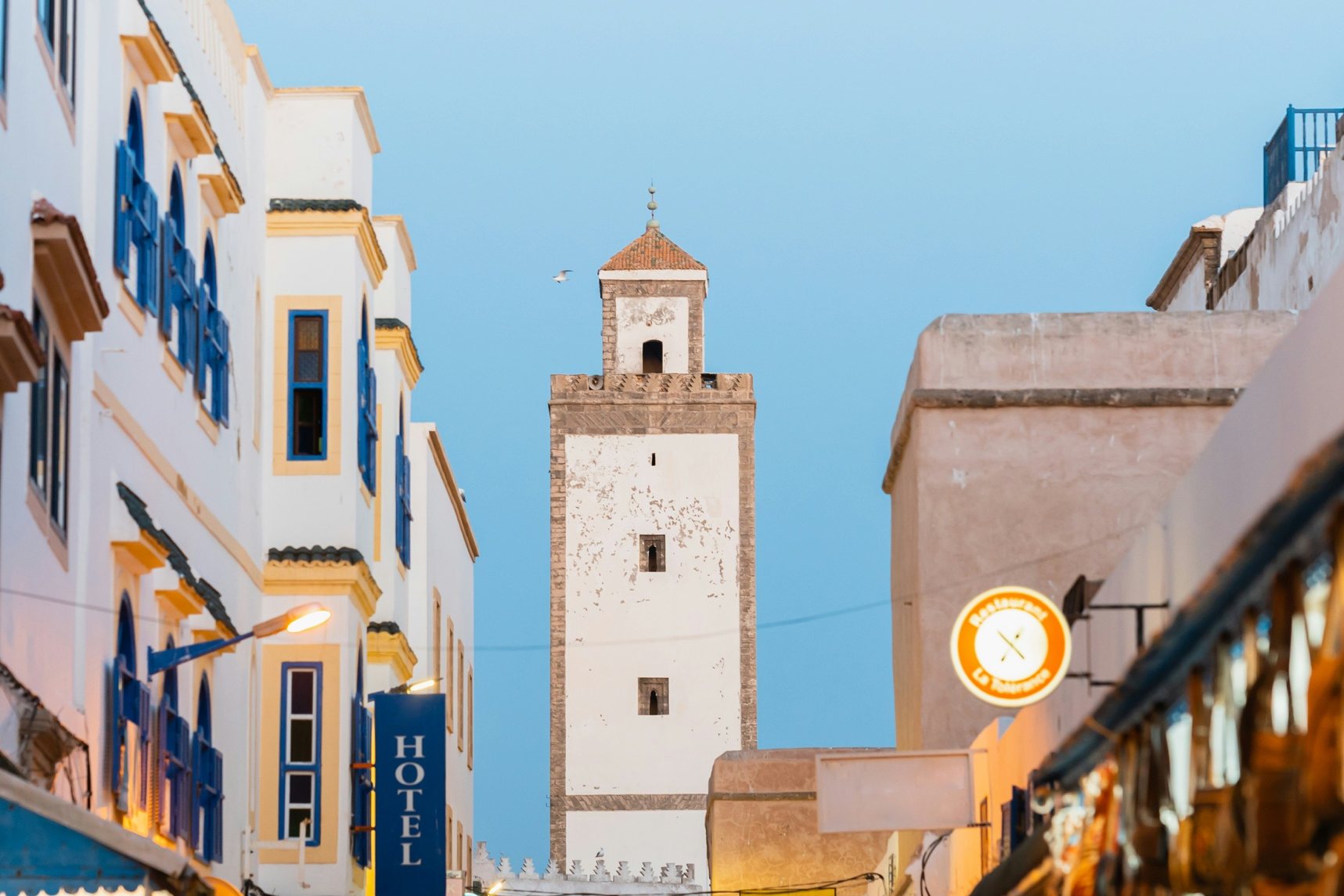
A fortified medina facing the Atlantic, a World Heritage Site, with its ramparts, its fishing port and its trade winds, less than three hours from Marrakech.
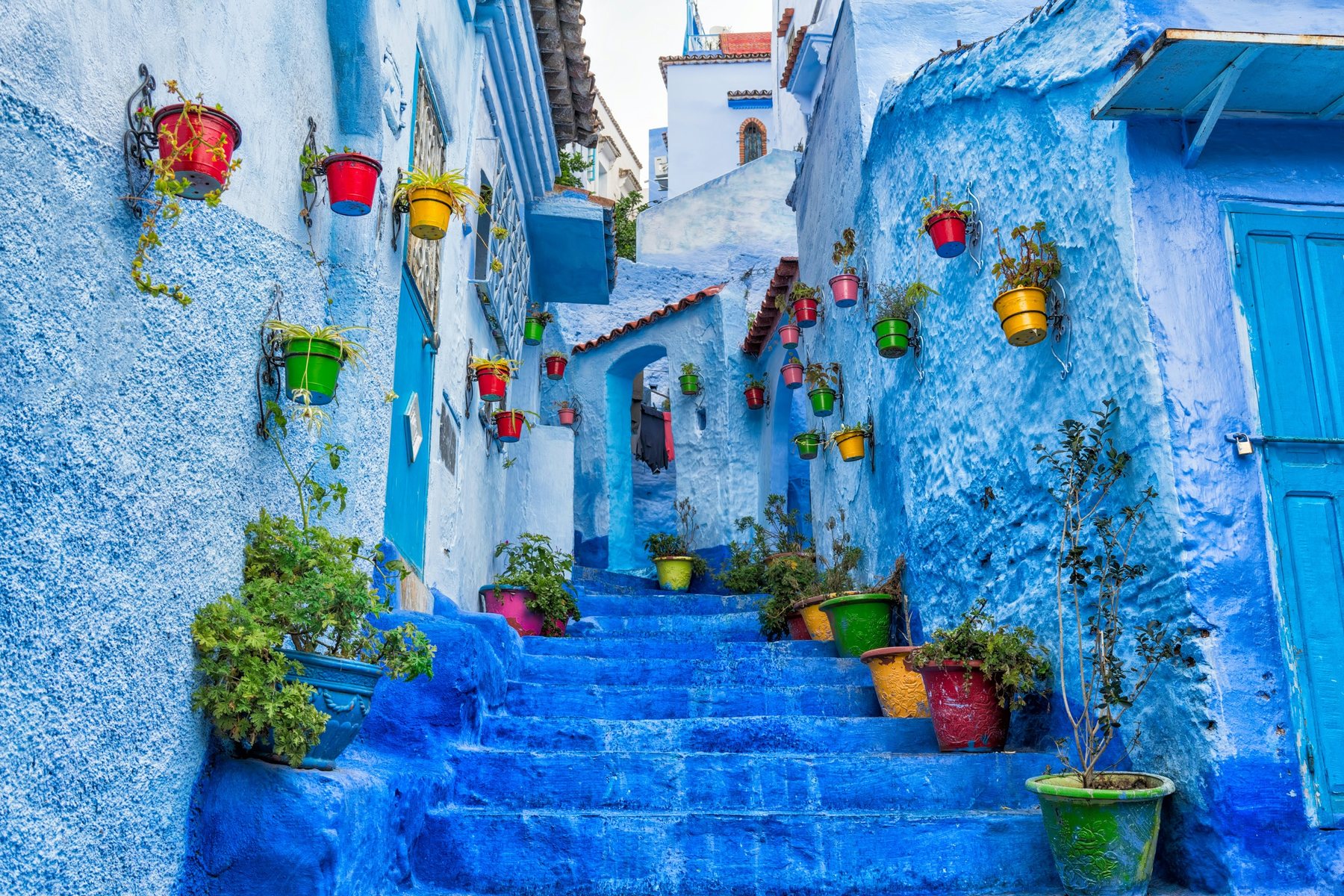
The blue town, clinging to the Rif mountains, with its whitewashed alleys and unhurried pace, about four hours' drive from Fez.
Frequently asked questions
Not if you are a citizen of the European Union, Switzerland or Senegal, among others, for a tourist stay of under 90 days. You will need a passport valid for the whole of your stay. Requirements vary by nationality: check them before you travel.
Spring (March to May) and autumn (October and November) are ideal for combining the imperial cities, the mountains and the desert. Summer suits the cooler Atlantic coast best; winter, often sunny, is good for the cities, as long as you pack warm clothes for nights in the desert.
A long weekend is enough to discover Marrakech and its surroundings, or Fez. Allow a week to add the High Atlas and a night in the desert, and ten to fifteen days to link Marrakech, the Sahara, Fez and Chefchaouen, or to finish on the coast in Essaouira.
Morocco welcomes millions of travellers every year and is a relaxed country to explore. The usual precautions apply, especially in busy souks, and modest dress is appreciated outside the big cities. Check your government's travel advice before you leave; Tukkiji remains reachable throughout your stay during the opening hours of our Dakar head office, and beyond them in exceptional circumstances.
The currency is the Moroccan dirham (MAD). As it is non-convertible, you exchange it on arrival, at the airport, in banks and bureaux de change, or withdraw it from ATMs, which are plentiful in the cities. Bank cards are accepted in hotels and many restaurants; bring cash for the souks, taxis and tips.
No vaccinations are compulsory to enter Morocco, and there is no malaria. Routine vaccinations should be up to date; hepatitis A vaccination is often recommended. Drink bottled water and ask your doctor for advice before you travel.
Tell us what you dream of: we design a tailor-made trip and reply within 48 hours.