
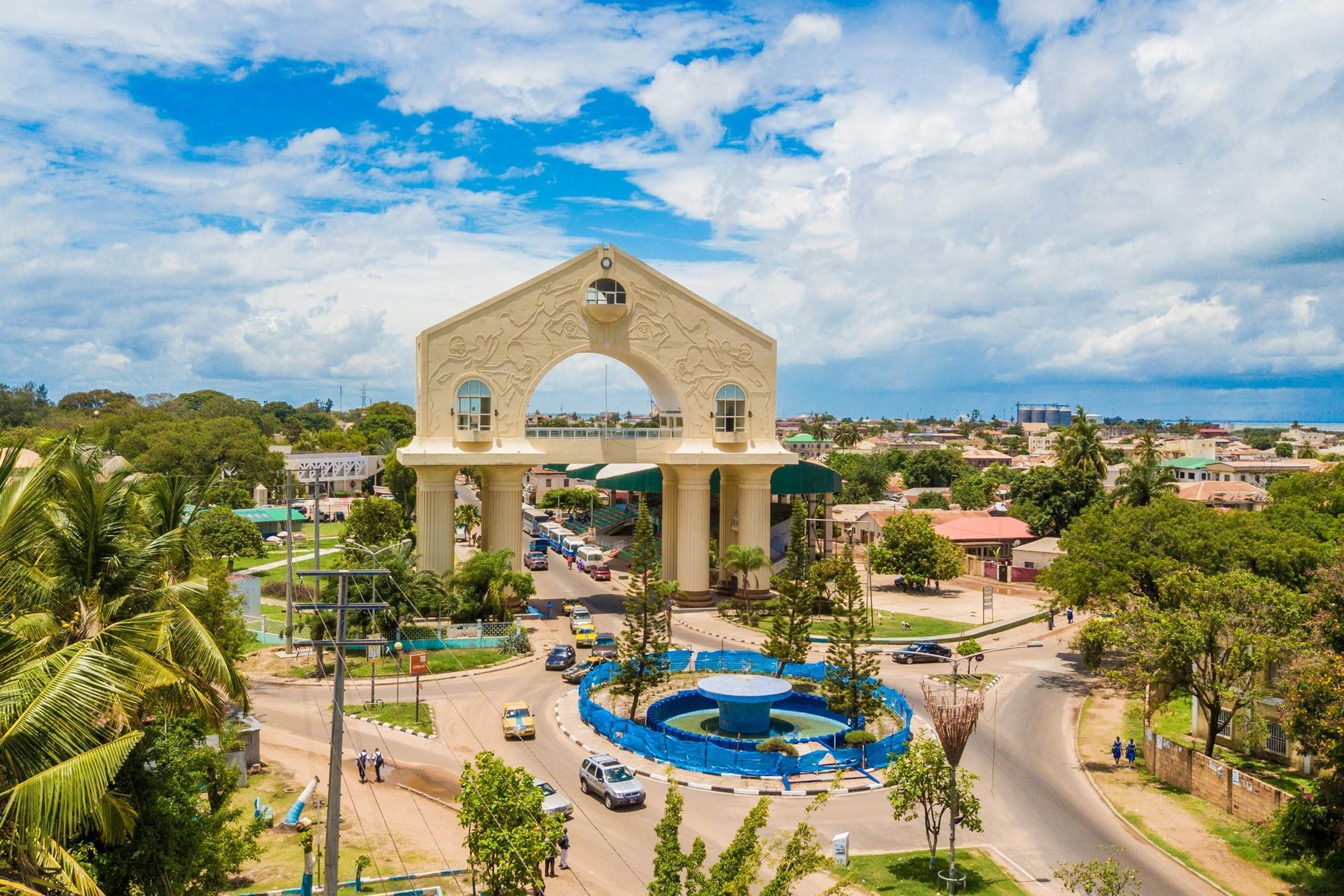
Banjul and Bakau
The capital, on an island at the mouth of the river, with Albert Market and Arch 22; in Bakau, the sacred crocodile pool of Kachikally.

Destination guide
The river, the birds and the Atlantic, a few hours from Dakar.
The Gambia follows the course of its river. The smallest country on mainland Africa, surrounded by Senegal, it stretches along both banks of the River Gambia, from the Atlantic beaches to the forests and rice fields of the interior.
It is known as the Smiling Coast. People come for its gentle beaches, for a memory inscribed on the World Heritage List at Kunta Kinteh Island, and for the birds: more than 500 species have been recorded here, making it one of the most renowned birdwatching destinations in West Africa.
As Senegal's immediate neighbour, The Gambia lends itself as well to a short break from Dakar as to a trip combined with the Sine-Saloum or Casamance. Tukkiji arranges these tailor-made stays, from transport to accommodation.
Practical information
When to go
Like neighbouring Senegal, The Gambia has two main seasons: a sunny dry season from November to June, and a hot, humid rainy season from July to October.
Average daytime temperatures on the coast, around Banjul. The interior, along the river, is markedly hotter, especially from April to June. From November to March, migratory birds draw birdwatchers; the rainy season brings green landscapes and great tranquillity, though some tracks become difficult.
Must-sees
The capital, on an island at the mouth of the river, with Albert Market and Arch 22; in Bakau, the sacred crocodile pool of Kachikally.
From Kololi to Kartong: palm-fringed beaches, the fish market of Tanji and its colourful pirogues, and villages that remain peaceful further south.
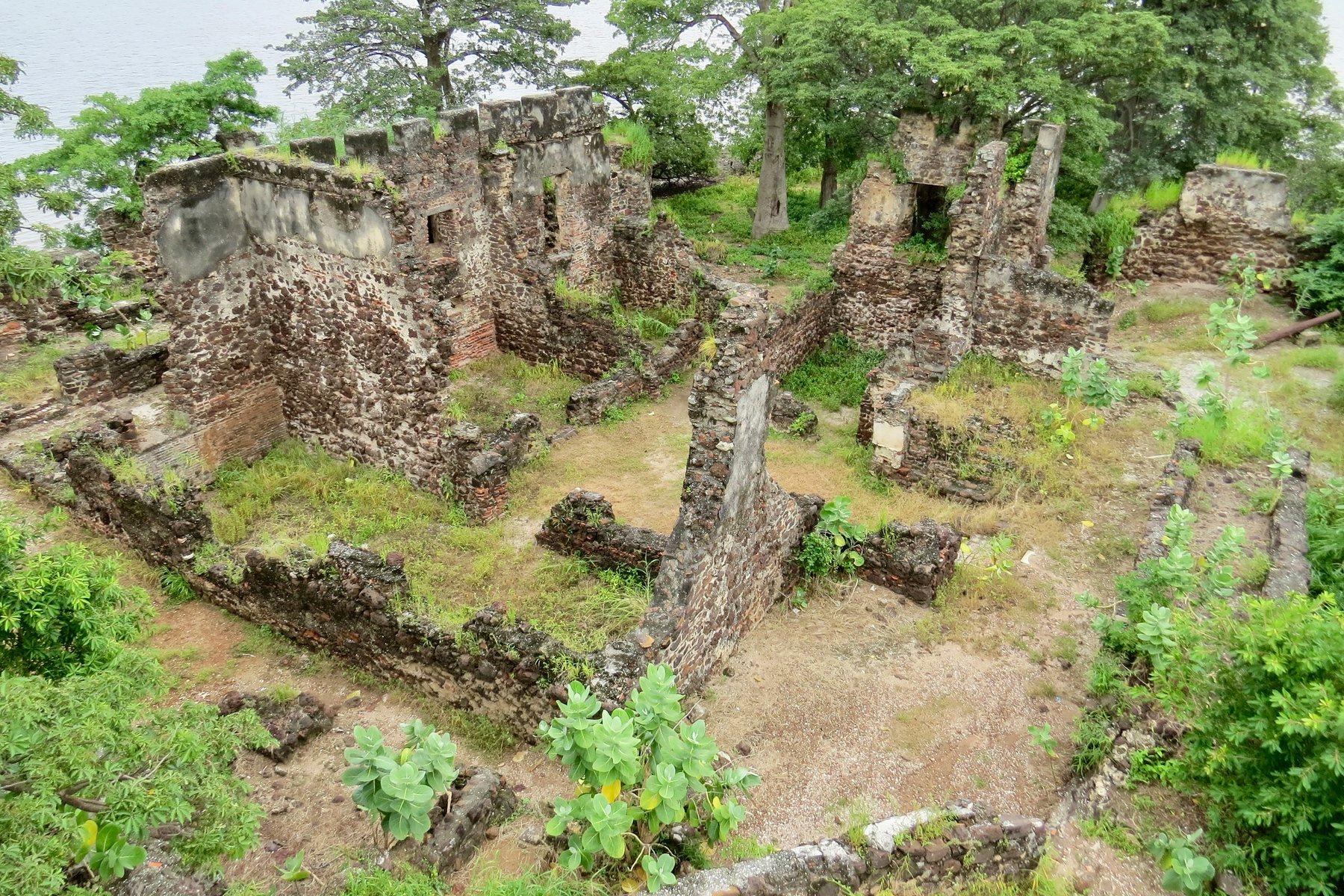
The former James Island and its related sites, a World Heritage Site bearing witness to the Atlantic slave trade, reached by boat on the river.
Abuko Nature Reserve, with its monkeys and birds, and Makasutu forest, explored by pirogue along the bolongs, less than an hour from the coast.
Upriver, Janjanbureh Island and River Gambia National Park, home to chimpanzees that can be observed from the boat.
Standing stones, some raised more than a thousand years ago, inscribed on the World Heritage List together with the circles of neighbouring Senegal.
Frequently asked questions
Nationals of ECOWAS countries, including Senegal, enter The Gambia freely with an ECOWAS identity card or a passport. For European travellers, requirements depend on nationality: some are exempt for short stays, others need a visa. A passport valid for at least 6 months is recommended; check the rules for your nationality before you travel.
From November to May, during the dry season: skies are clear, the heat is bearable on the coast and the tracks are passable. From November to March, it is also the best season for birdwatching, migratory species included.
Three or four days are enough for the coast, Banjul, Abuko and Kunta Kinteh Island. Allow a week to travel upriver to Janjanbureh and the Wassu stone circles. From Dakar, The Gambia also combines easily with the Sine-Saloum or Casamance.
The Gambia is a calm and welcoming country. The usual precautions apply, and you may be approached on the tourist beaches: a polite refusal is enough. Check your government's travel advice before you leave; Tukkiji remains reachable throughout your stay during the opening hours of our Dakar head office, and beyond them in exceptional circumstances.
The currency is the dalasi (GMD). Euros, pounds sterling and CFA francs are easy to exchange at bureaux de change along the coast. ATMs are found mainly around Serrekunda and Kololi, and bank cards are rarely accepted outside the large hotels: bring cash.
By road, allow 6 to 8 hours via Kaolack and the Karang border post, then the Barra–Banjul ferry, where waiting times vary. The Senegambia Bridge at Farafenni lets you cross the river without the ferry, at the cost of a detour inland. Flights also link the two capitals in about an hour, depending on the routes currently operating.
Tell us what you dream of: we design a tailor-made trip and reply within 48 hours.