
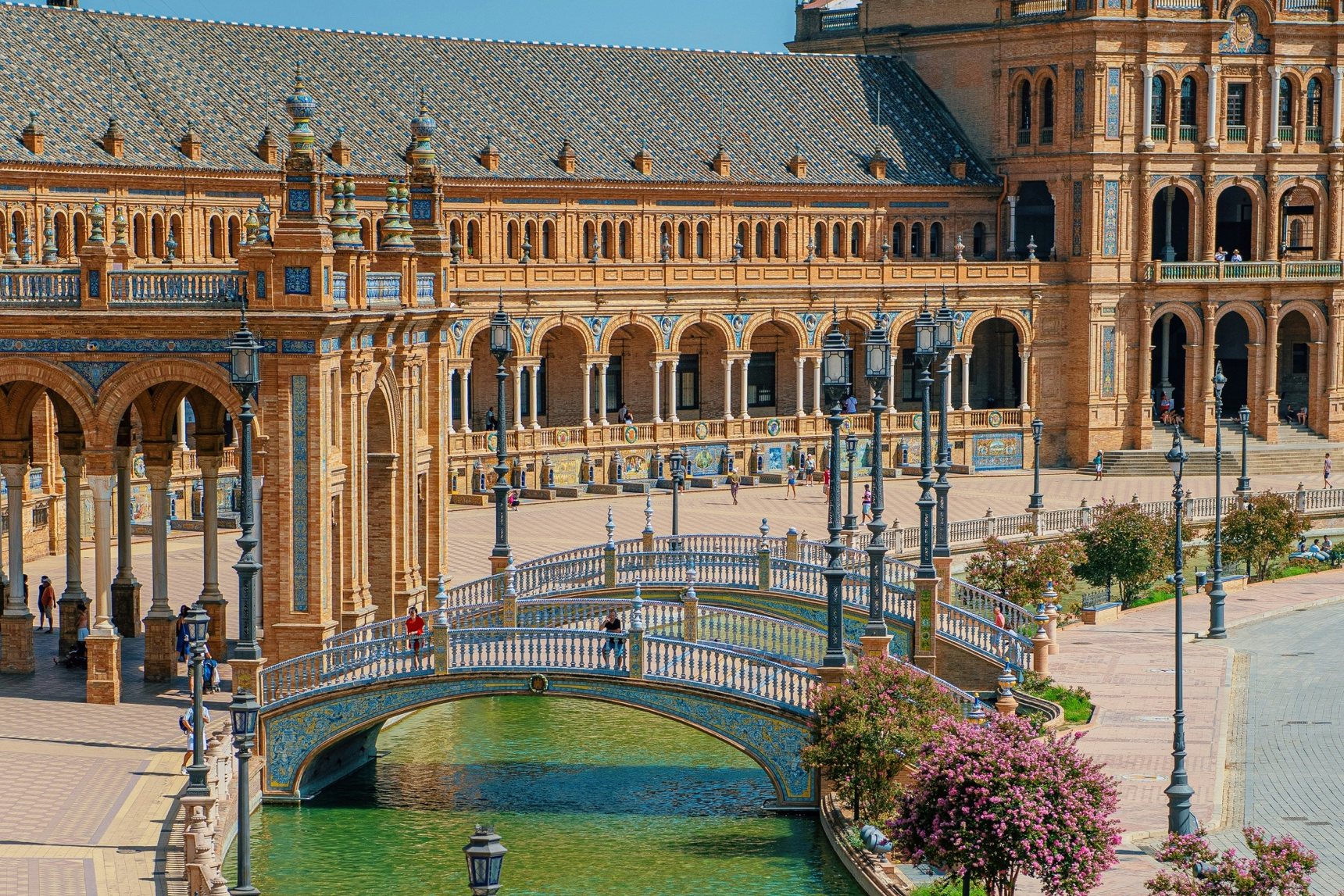
Seville
The cathedral and the Giralda, the Alcázar and its gardens, the Plaza de España, then the Triana district at dusk, between tapas and flamenco.

Destination guide
Andalusia, shared tapas and those golden hours when the cities come back to life.
Spain is lived at its own pace. Lunch is late, dinner later still, and it is at the end of the day, when the light turns the façades golden, that the squares fill up and the bars come alive around a few tapas.
Andalusia is its most intense heart: the flower-filled patios of Seville, the Mezquita in Córdoba, the white villages clinging to the sierras. But the country stretches far beyond, from the museums of Madrid to the architecture of Barcelona, and high-speed trains link it all in a few hours.
Tukkiji designs tailor-made trips to Spain from Dakar: itinerary, hand-picked hotels, transfers and visits, shaped around your pace and your wishes. Once you are there, our partner office in Spain takes over from the Dakar team.
Practical information
When to go
Spain can be visited all year round, but spring and autumn are the gentlest seasons: bright skies, long days and heat that is still moderate. Summer is very hot in the south and inland; winter, sunny and cool, suits the cities well.
Average daytime temperatures in Seville. In July and August, the Andalusian heat calls for early-morning visits, a long afternoon break and evenings out; it is also the busiest season on the coasts. Winter stays mild and sunny, but evenings are cool, especially in Madrid and Granada. In spring, Holy Week and the April Fair give Seville a unique atmosphere: book well in advance.
Must-sees
The cathedral and the Giralda, the Alcázar and its gardens, the Plaza de España, then the Triana district at dusk, between tapas and flamenco.
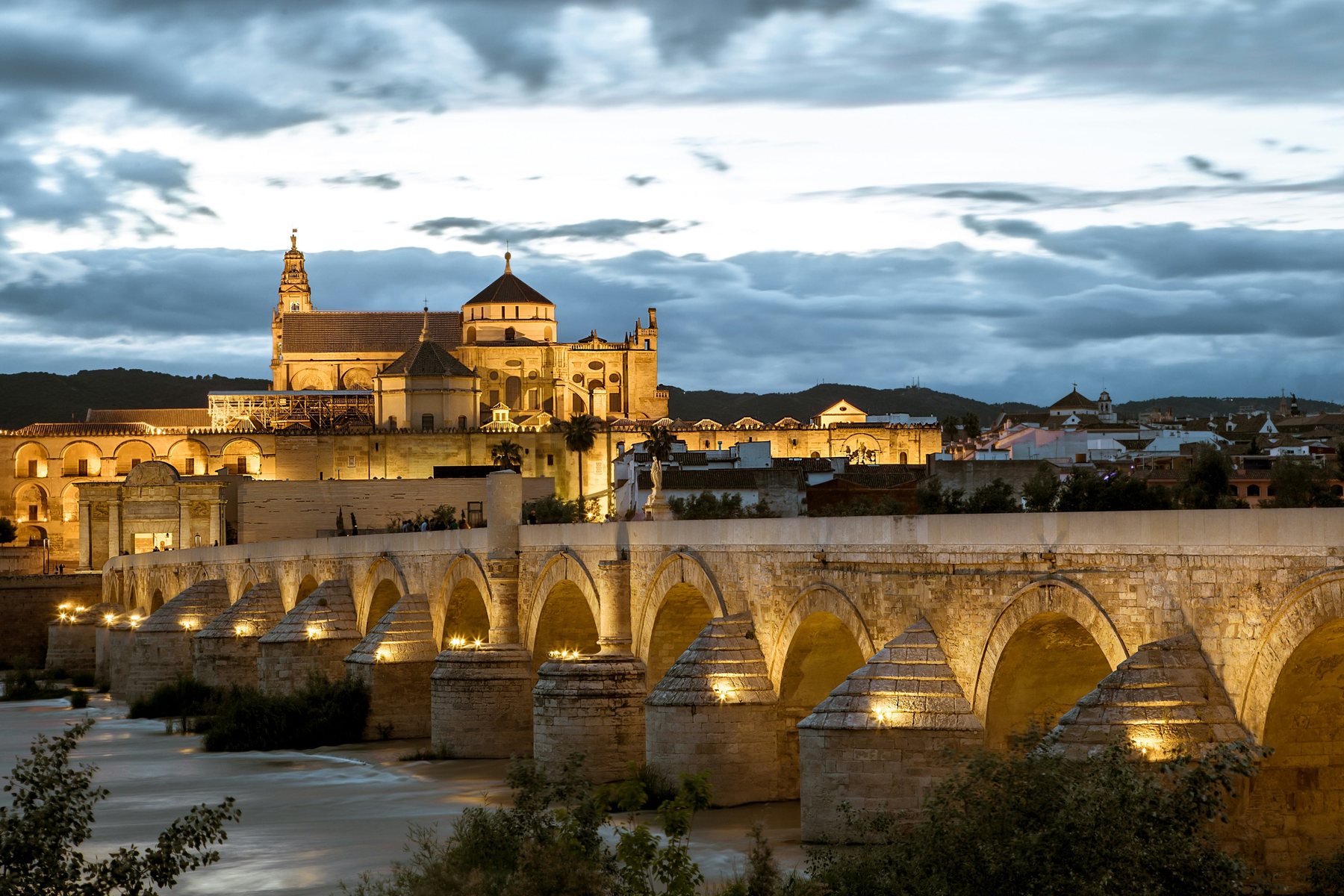
The mosque-cathedral and its forest of arches, a World Heritage Site, the old Jewish quarter and, in May, flower-filled patios open to the public.
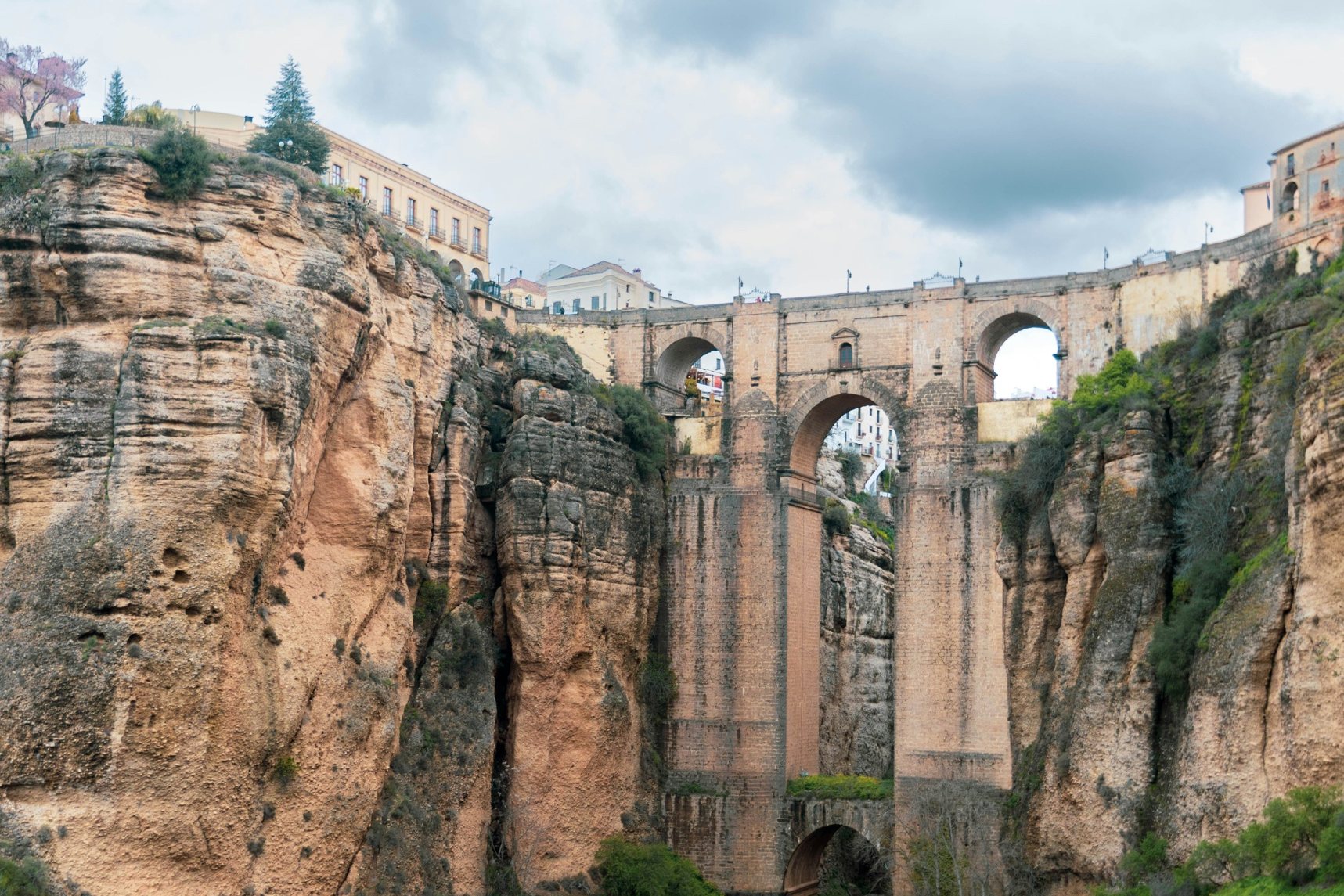
Ronda perched above its gorge, then the pueblos blancos of the Sierra de Grazalema, to be explored by car from one viewpoint to the next.
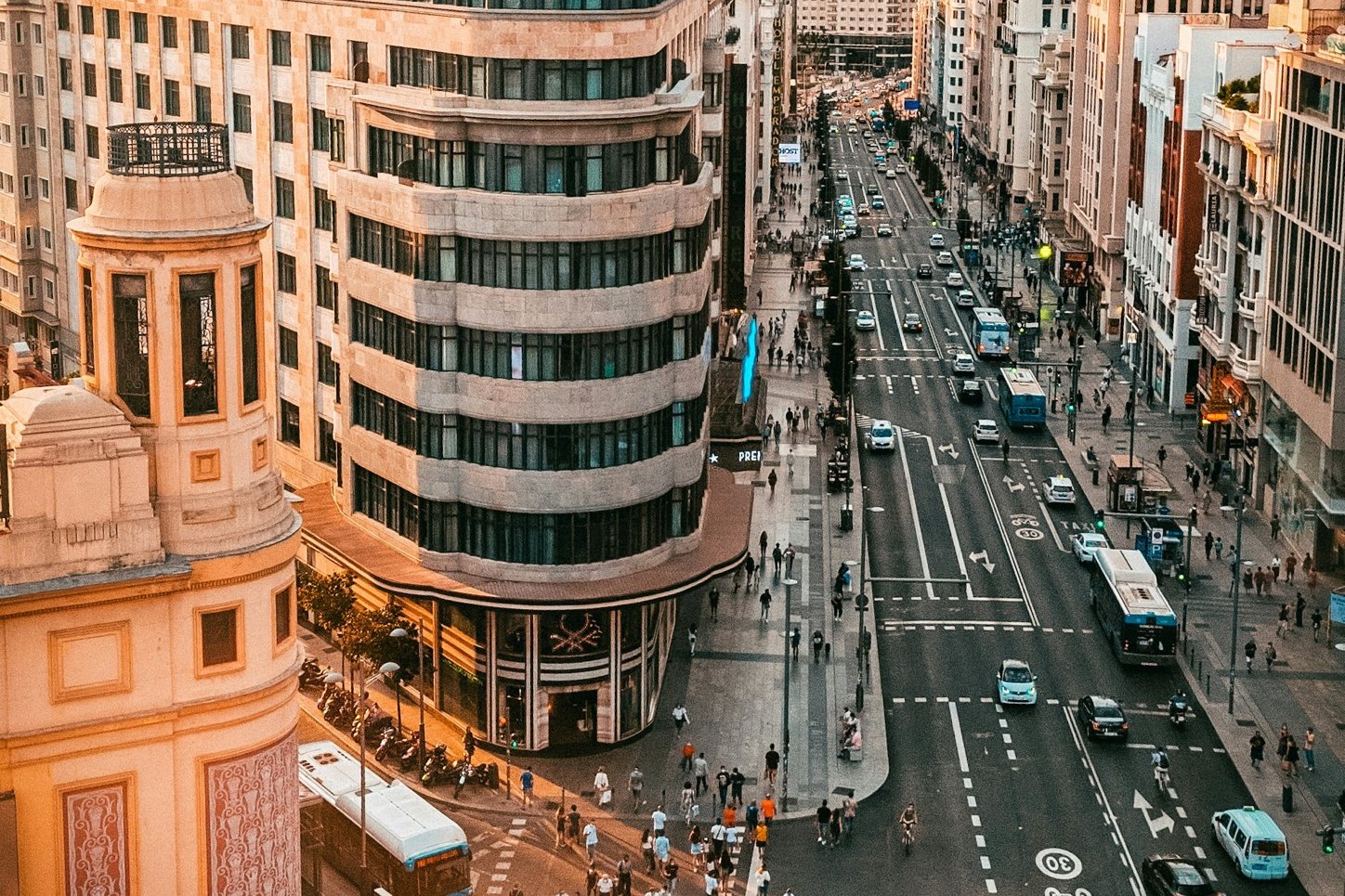
The Prado, the Reina Sofía and the Thyssen a short walk from one another, Retiro Park, and a nightlife that begins when other capitals go to sleep.
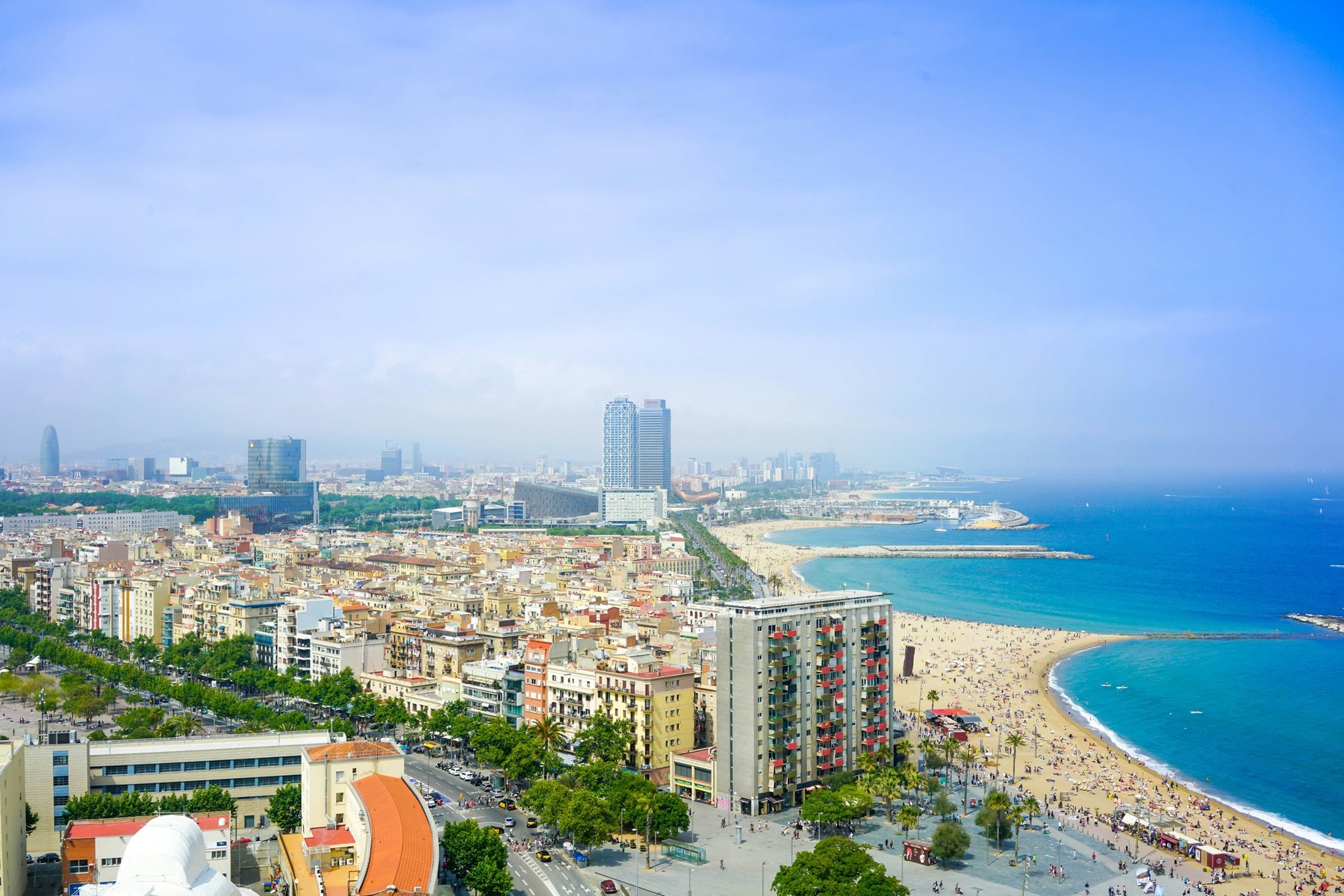
The Sagrada Família and Gaudí's façades, the Gothic Quarter, the markets and the Mediterranean at the end of the Ramblas.
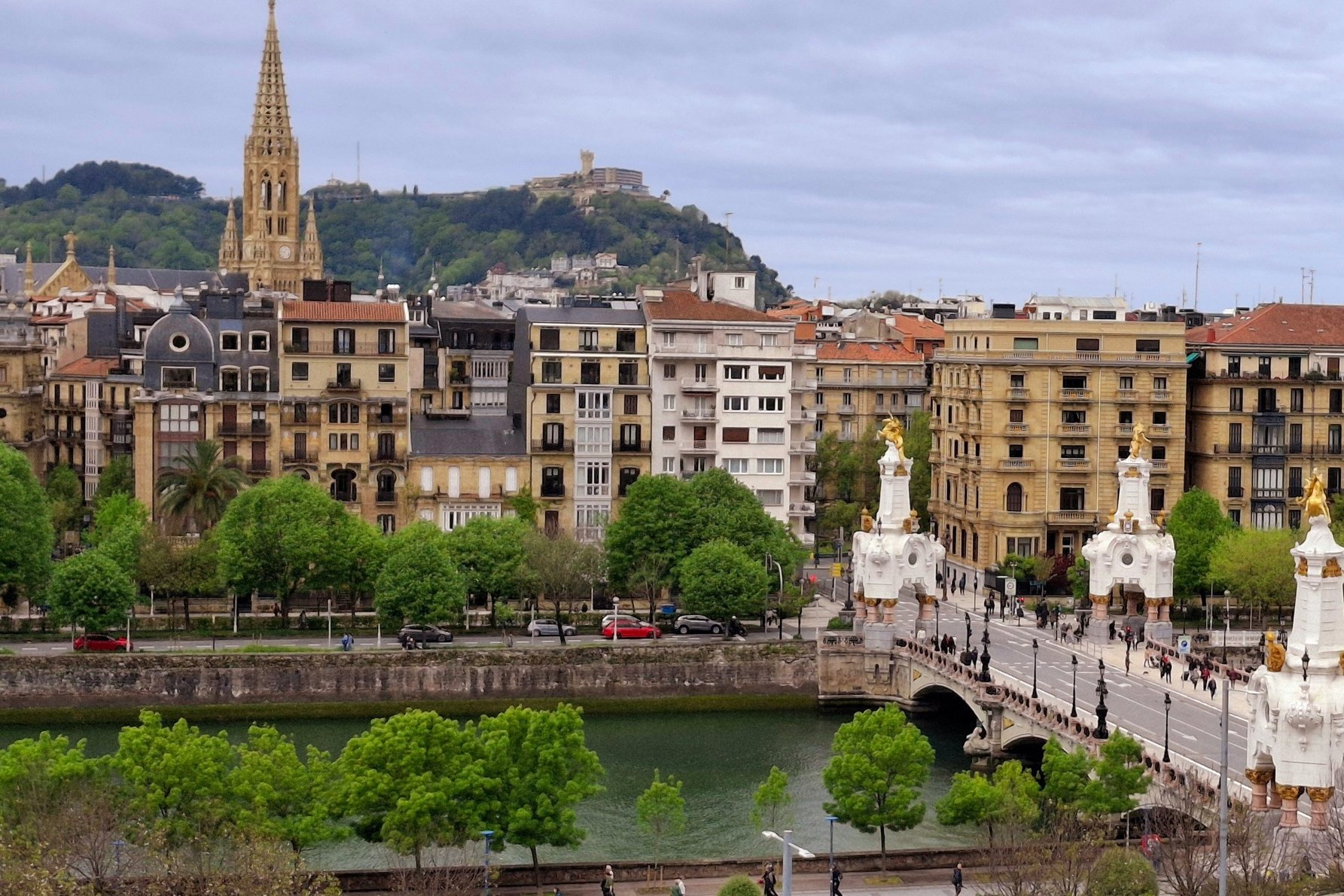
La Concha bay and the pintxos bars of San Sebastián, the Guggenheim Museum and Bilbao's old town: green, Atlantic Spain, home to some of the finest food in Europe.
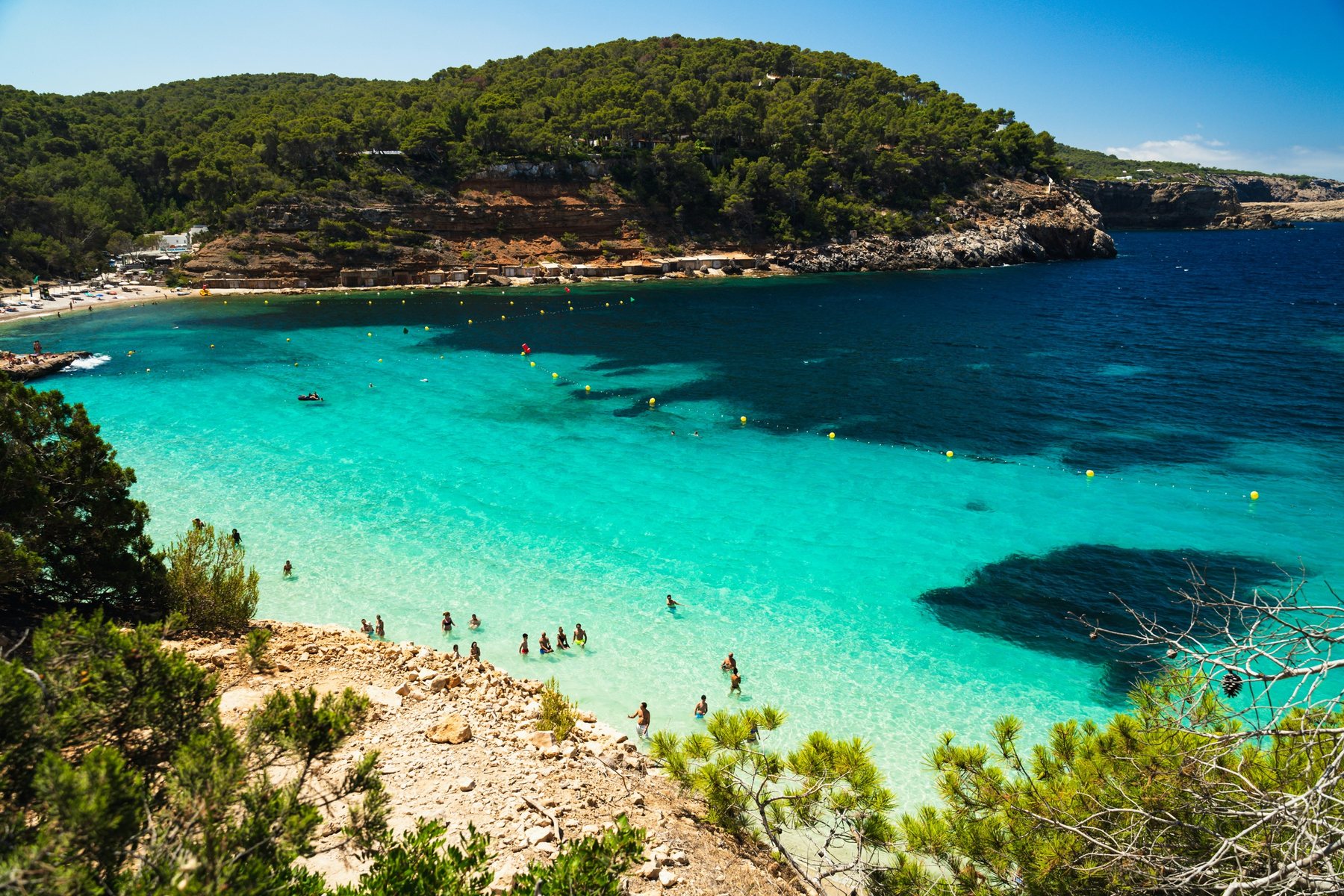
Far more than its nightlife: turquoise coves, whitewashed inland villages, the UNESCO-listed old town of Dalt Vila and sunsets on the west coast.
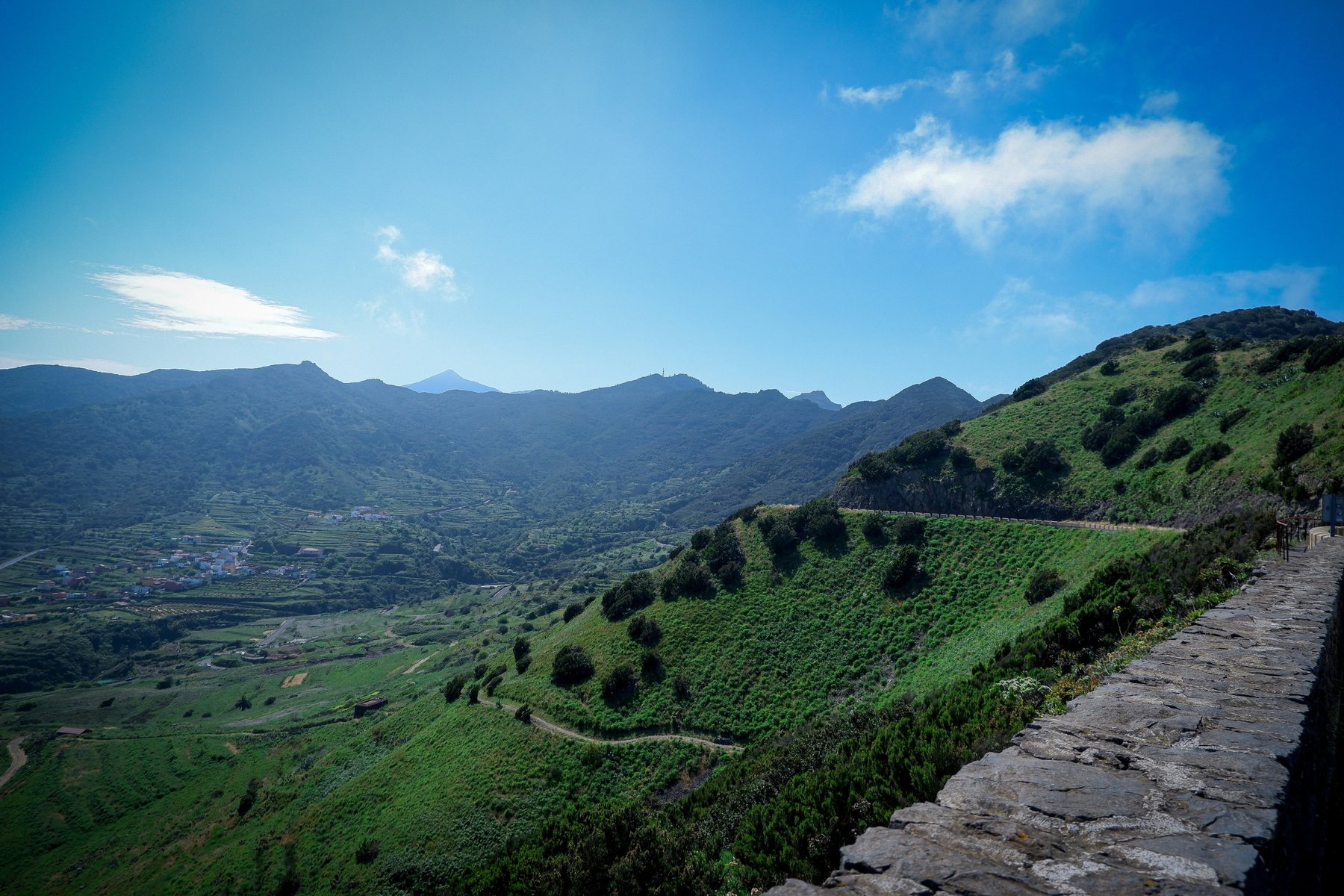
In the Canary Islands, Mount Teide and its national park, black-sand beaches, mountain villages and mild weather all year round: the ideal island for winter sun.
Frequently asked questions
Not if you are an EU citizen: a valid national ID card or passport is enough. Senegalese nationals and citizens of many other non-EU countries need a Schengen visa, obtained from the Spanish consulate or its visa centre, applying several weeks in advance. An electronic travel authorisation (ETIAS) is planned for visa-exempt travellers. Check the requirements for your nationality before you travel.
Spring (March to May) and autumn (September and October): it is warm without being excessive and the light is superb, especially in Andalusia. Summer suits the coasts and islands, but the interior becomes very hot. Winter is pleasant for city breaks, with frequently sunny days.
Allow three to four days for Seville and Córdoba, a week to add Granada and Ronda, and ten to twelve days to take your time in the white villages and on the coast. A first trip to Spain can also combine Madrid and Andalusia in around ten days.
High-speed trains are the most pleasant way to travel between the major cities: about 2 h 30 from Madrid to Seville or Barcelona, under 2 hours from Madrid to Córdoba. For the white villages and the Andalusian countryside, a car, with or without a driver, gives you more freedom.
Spain remains one of the most affordable destinations in Western Europe, although Madrid, Barcelona and the high season push prices up. The currency is the euro (€1 = 655.957 FCFA) and cards are accepted almost everywhere; tipping is not compulsory but appreciated.
In July and August, afternoons in Seville and Córdoba often exceed 35 °C. Travelling remains perfectly possible if you adapt your pace: early-morning visits, a break during the hottest hours, evenings outdoors like the Andalusians. For more comfort, choose May, June or September.
Tell us what you dream of: we design a tailor-made trip and reply within 48 hours.