
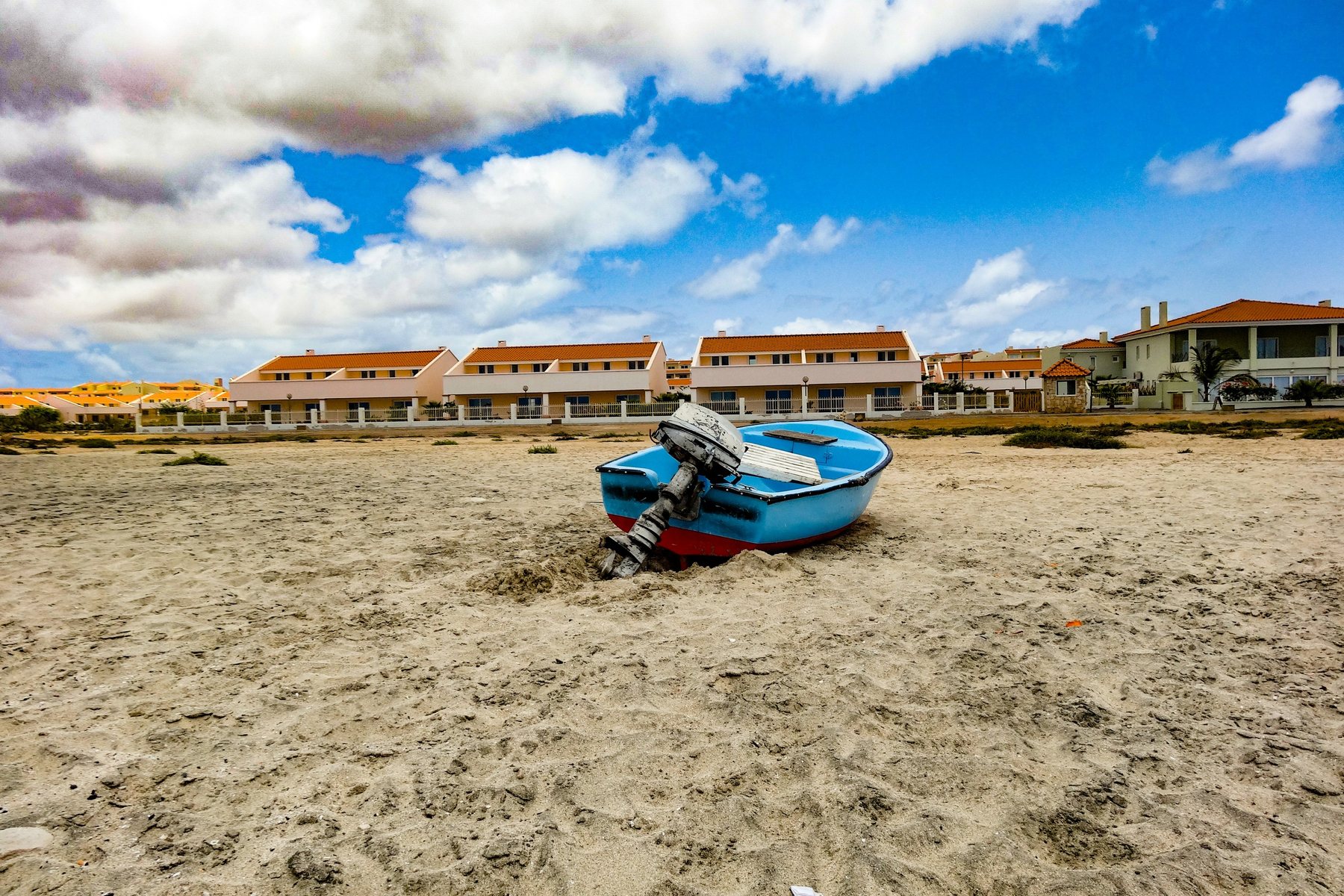
Sal
The long beaches of Santa Maria, the kitesurfing spots and the Pedra de Lume crater, where you float in water saltier than the sea.

Destination guide
Ten islands in the Atlantic, morna for a soundtrack and an easy-going way of life well worth the journey.
Cape Verde is an archipelago of ten volcanic islands set in the Atlantic off the coast of Senegal. Each has its own character: dunes and lagoons on Sal and Boa Vista, dizzying mountains on Santo Antão, a volcano on Fogo, music and carnival in Mindelo.
People come for the light, the wind and the sea, then stay for a singular culture born of the meeting between Africa and Portugal: morna, inscribed on UNESCO's list of Intangible Cultural Heritage, cachupa shared with family, and the gentle nostalgia Cape Verdeans call sodade.
From Dakar, less than two hours away by air, Tukkiji designs tailor-made trips to Cape Verde: islands chosen to suit you, inter-island flights and crossings, accommodation and excursions arranged in advance for a seamless journey.
Practical information
When to go
Cape Verde enjoys a dry, sunny climate almost all year round, tempered by the trade winds. A short, irregular and often modest rainy season runs from August to October.
Average daytime temperatures on Sal and Boa Vista. From November to May the wind picks up: perfect for kitesurfing and windsurfing. Rain is rare on the flat islands and more noticeable on the mountainous ones (Santiago, Santo Antão, Fogo), which turn green. From July to October, loggerhead turtles come ashore to nest on the beaches of Boa Vista and Sal.
Must-sees
The long beaches of Santa Maria, the kitesurfing spots and the Pedra de Lume crater, where you float in water saltier than the sea.
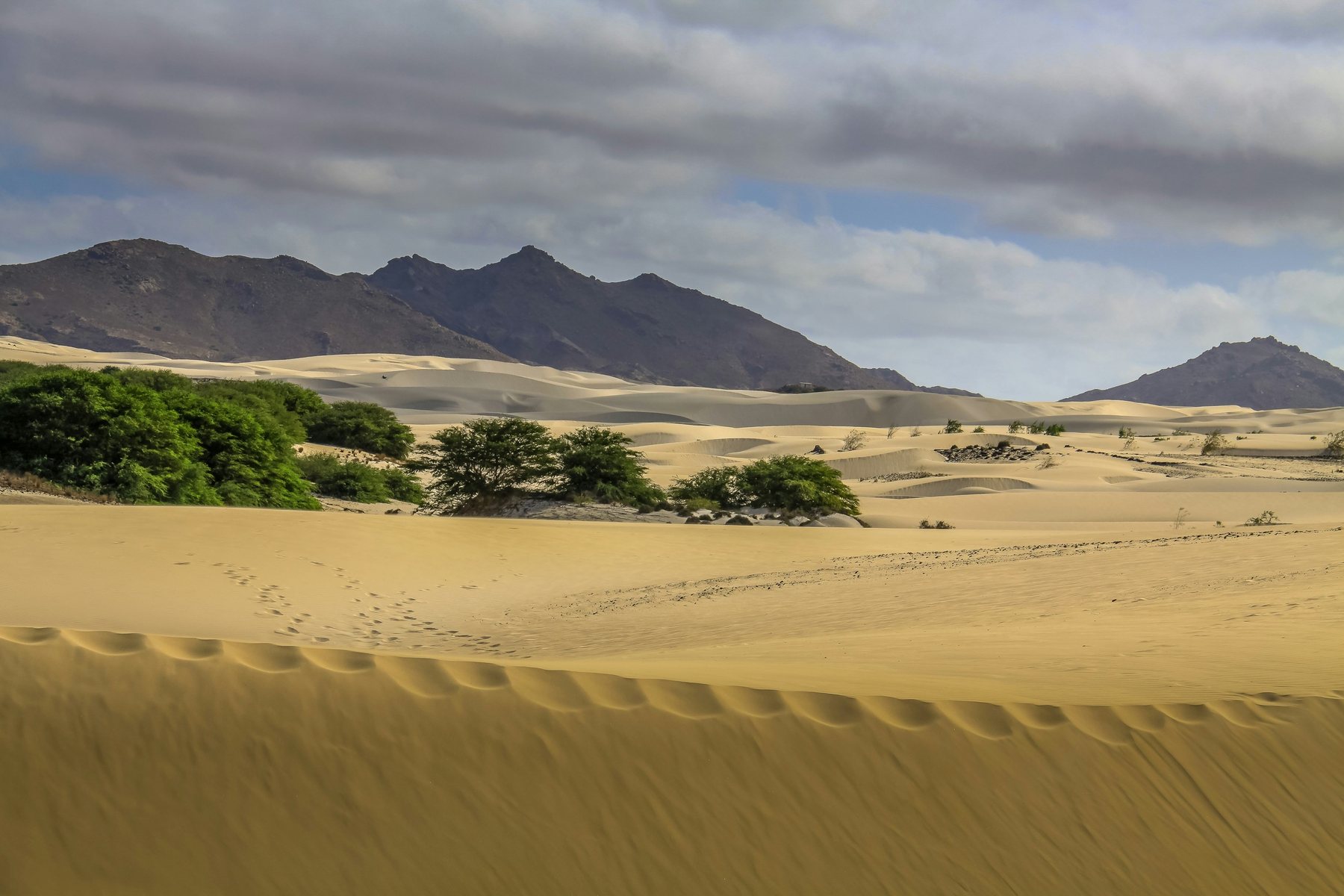
The island of dunes: the Viana desert, vast and almost empty beaches such as Santa Mónica, and quiet fishing villages.
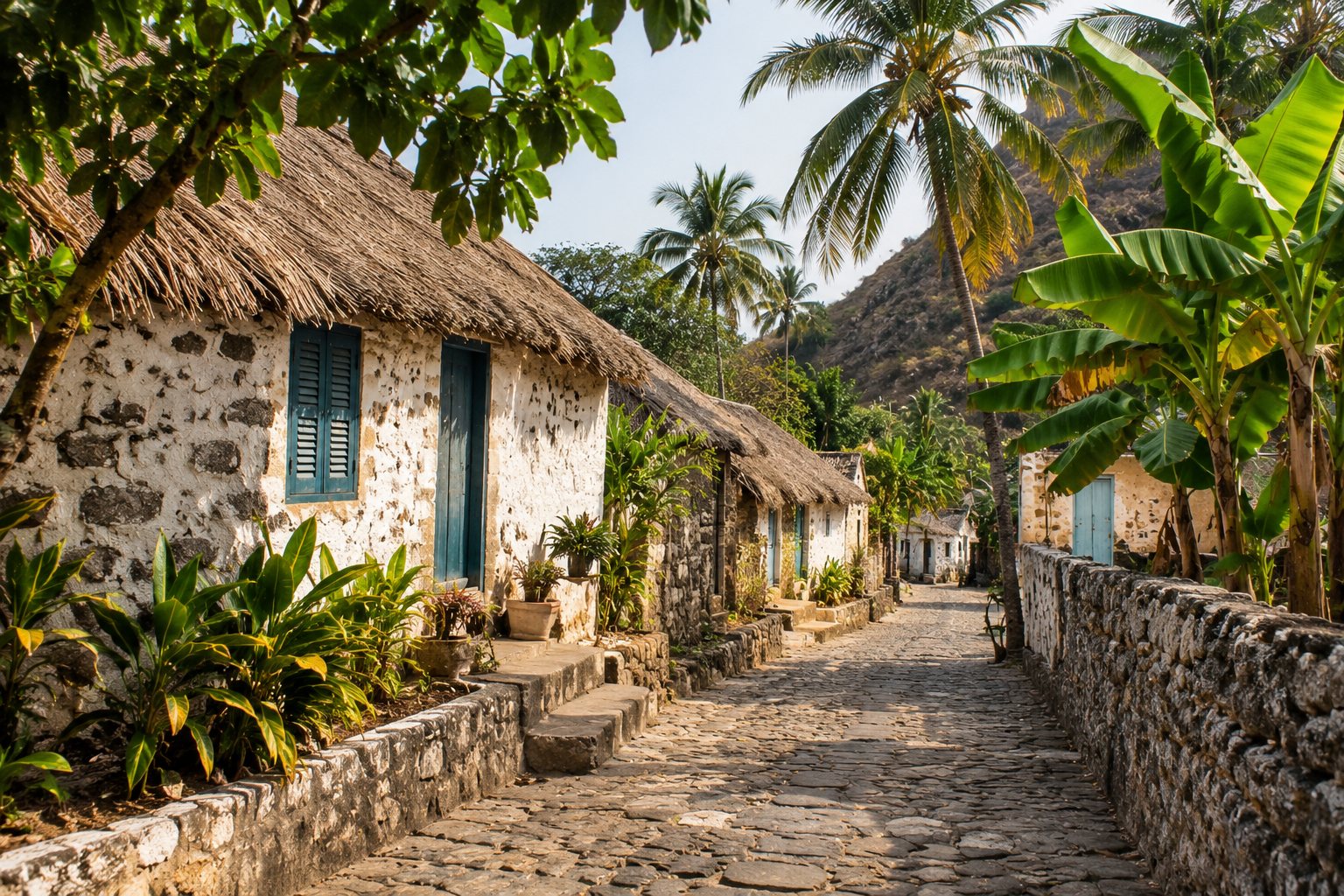
On the island of Santiago, the first colonial town in the tropics, a World Heritage Site: its Rua Banana, its pillory and its fortress overlooking the bay.
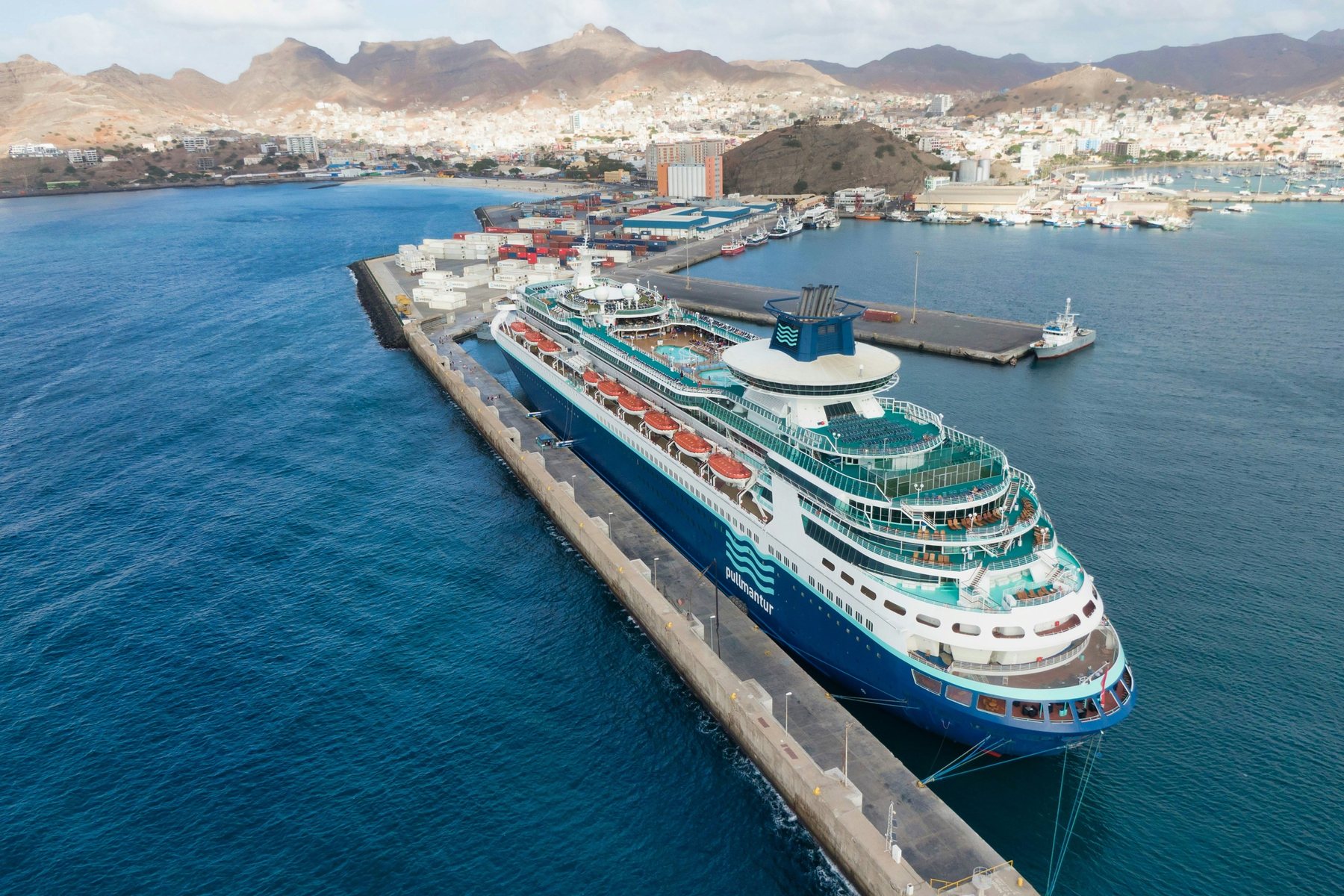
The archipelago's cultural capital: colourful façades, a deep bay, evenings of morna and one of the most celebrated carnivals in West Africa.
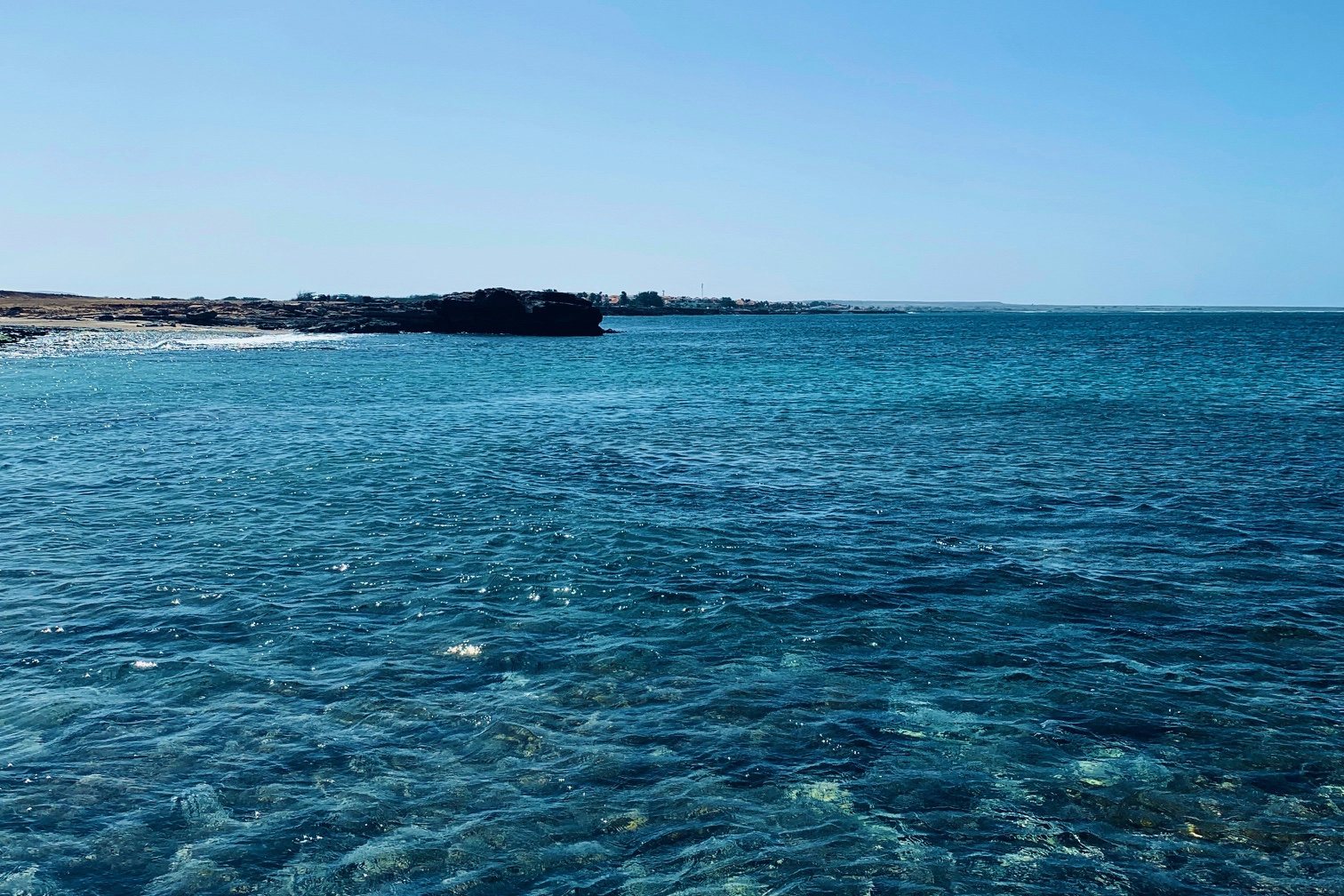
The capital, on the island of Santiago: the Plateau and its colourful façades, Sucupira market, the beaches of Quebra Canela and a lively music scene.
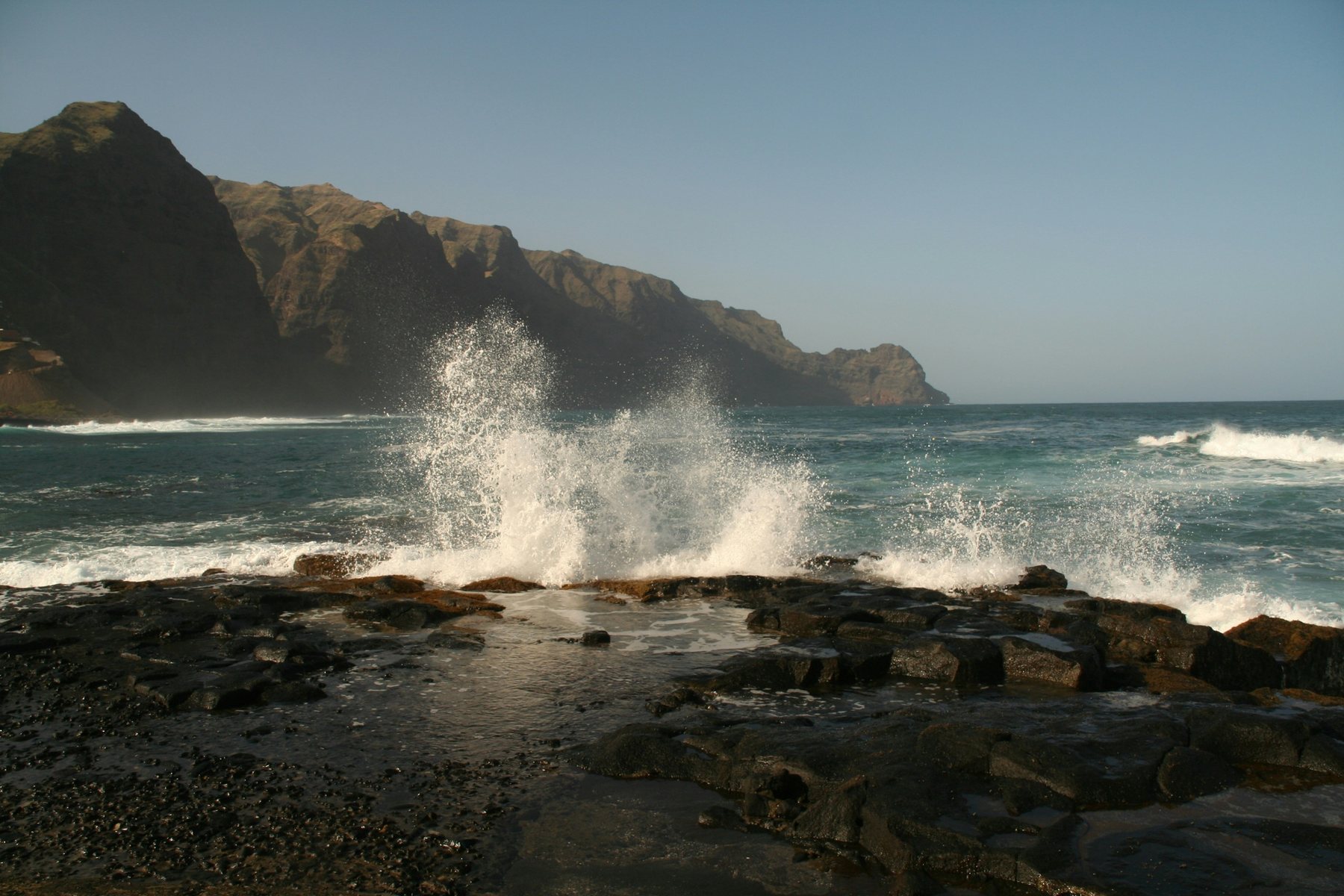
The volcano, rising to 2,829 m, its Chã das Caldeiras caldera, its vines grown on lava and its high-altitude coffee.
Frequently asked questions
EU citizens do not need a visa for a short stay, but must register online on the EASE platform and pay the airport security fee at least 5 days before arrival. As Cape Verde is a member of ECOWAS, Senegalese and other West African nationals enjoy free movement. Rules change: check the requirements for your nationality before you travel.
From November to June the weather is dry, sunny and breezy: the ideal time for the beach, hiking and board sports. July remains pleasant. From August to October it is hotter and there may be some rain, especially on the mountainous islands; it is also turtle season.
A week lets you make the most of one island, Sal or Boa Vista, with an excursion. Allow ten to fifteen days to combine two or three islands, for example São Vicente and Santo Antão, or Santiago and Fogo. Inter-island connections take time, so it is best not to add too many stops.
Cape Verde is one of the most stable countries in Africa, with a strong democratic tradition. The usual precautions apply, particularly against petty theft in towns, and some beaches have strong currents. Check your government's travel advice before you leave.
The currency is the Cape Verdean escudo (CVE), pegged to the euro at a fixed rate. Euros are often accepted in tourist areas, but change is given in escudos. Bank cards are accepted in hotels and many restaurants, and there are ATMs in the towns. The escudo is hard to exchange outside the country.
By domestic flight or by ferry, depending on the islands. Some crossings are short, such as Mindelo to Santo Antão; others require a flight. Timetables can change and the sea can be rough, so we always build some leeway into the itinerary and book connections in advance.
Tell us what you dream of: we design a tailor-made trip and reply within 48 hours.